


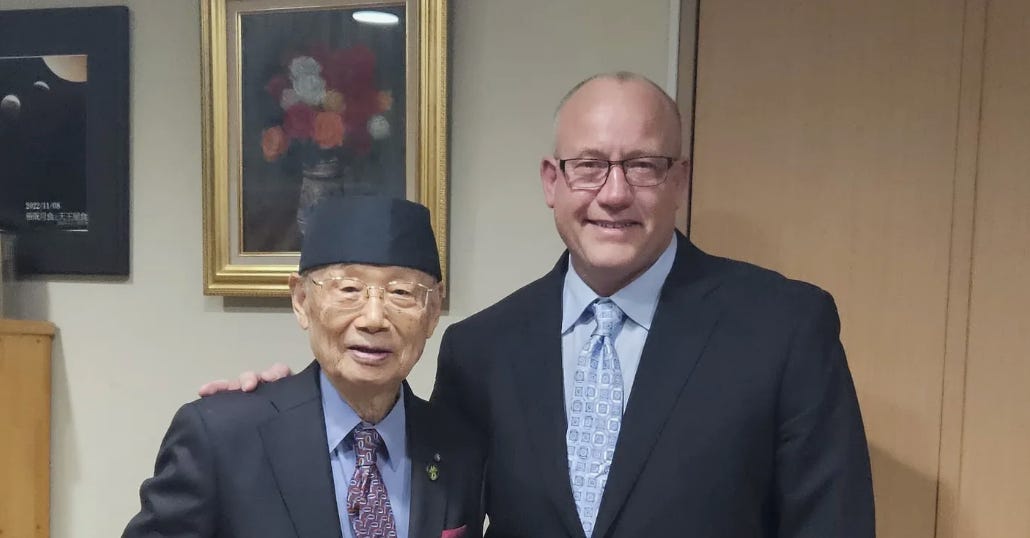
OK folks, today I’m going to try my hand at travel writing and photography journaling: part Bill Bryson, part 1970s living-room slideshow :).
Why Japan?
It’s hard to overstate how important visiting Japan had become to me. It comes down to two Japanese researchers I came to admire deeply, whose work had literally taken over my career. One of them cost me part of my old career; the other gave me a new one.
The desire started early in COVID, when I learned that Professor Satoshi Ōmura, who shared the Nobel Prize for discovering ivermectin, had been admiring the work Paul Marik and I were doing with the FLCCC to spread the word about ivermectin as a treatment for COVID. It wasn’t long before I thought to myself, “How cool would it be to meet Professor Ōmura? I’ve just got to make sure I visit Japan someday.” As you’ll learn below, that desire only grew over the next few years.
What made the trip urgent this year was a second Japanese researcher: Asao Shimanishi, a deeply obscure, extremely private man who, I believe, made history in 1977 when he successfully extracted an aqueous mineral solution from volcanic black mica, one of the most broadly mineralized and abundant rocks in Earth’s crust.
As my readers know, I believe his work is of historic and global importance, which led me to write three books, the Stone and Water Series, available on my website (personally stamped) or on Amazon. But eight months into writing them, I was increasingly weighed down by how little written record existed from or about him.
Given the magnitude of what he accomplished, how little exists is beyond shocking: a single chapter in an agronomy textbook (which I only discovered while in Japan), a 12-page company manual he wrote, a transcript of the only public interview he ever gave, and a five-second appearance in a ten-minute news clip (at the 2:10 mark) from when his Themarox was used to purify and clarify a famous Shinto pond that had turned brackish. Beyond that, I had only oral histories, almost all passed on to me by people who knew people who knew him, rather than by anyone who knew him directly. (That would change in Japan.)
I also wanted to meet the executives of Shimanishi-kaken, Shimanishi’s legacy company, which has manufactured Themarox in the twenty-five years since he left. Since starting Aurmina and Primora Bio, we had corresponded by email for months, but everything had to be translated, and it was formal and careful, as translated business email always is. I wanted to get to know them personally, and they felt the same. (That visit gets its own post.)
Underneath all of that, honestly, was something I still can’t fully explain: I had become fascinated with Japan, and a little mystified by how many threads of my life ran through it. Ōmura. Shimanishi. Ivermectin. Themarox. Two separate obsessions that led to two career-altering trajectories, both ending on the same island. My career has always been marked by periods of intense research into novel therapies, but these last two sprang from the work of two Japanese men of the same era, both trained in pharmacy and chemistry; Shimanishi got his initial pharmaceutical degree in 1950, Omura in the late 50s. But get this: both made a determined decision early in their careers to study “nature’s chemistry” instead of the synthetic petrochemical research that was all the rage back then (and still is), and where all the money was. Omura’s biography describes his field as “natural product organic chemistry,” while Shimanishi devoted himself to what he would have described as “natural product inorganic chemistry.” Why had my career, and more accurately my entire life, become so deeply connected to those two men, that era, and those fields?
Lastly, I had always heard about the quirks and idiosyncrasies of Japanese culture, and about the country’s strange and outsized presence in modern history, and I wanted to see it for myself.
The Dream
When Paul Marik and I were leading the FLCCC, a Japanese Doctor of Pharmacy named Morimasa “Mori” Yagisawa reached out to me. Through Mori, I came into contact with the people around Professor Ōmura.
Ōmura’s laboratory discovered the soil organism that gave the world avermectin, and from it, ivermectin. My COVID work had intersected with his, if not nearly duplicated it. Like me, he did not stay quiet during COVID. From the very beginning of the pandemic, he reached out to Merck, imploring them to fund trials. Like me, he and his colleagues published a major, highly positive review of the dozens of ivermectin studies available at the time. He also wrote a book about ivermectin’s role in COVID, though its title, Ivermectin: Can It Become a Lifesaving Treatment for COVID-19?, was more optimistic than mine, The War on Ivermectin.
The world’s press, which had been perfectly happy to celebrate him in 2015, decided it didn’t want to hear from him in 2021. Only when I met him did I learn how complete that silence had been, even at home. His book became a bestseller in Japan, yet the Japanese media barely covered it, and no one invited him to give a single interview. No major publisher would take it. A Nobel laureate in his own country, writing about the drug that won him the prize, couldn’t find a mainstream publisher.
I had seen a glimpse of that silencing from the other side of the world, years before we ever met. Because of my highly public advocacy for ivermectin and my role in the FLCCC, I slowly became fairly visible on Twitter, reaching over 600,000 followers. My single most popular tweet to date was me reporting that YouTube had taken down an interview with Ōmura about using ivermectin. Check out the retweet count, for a man not named Elon Musk:
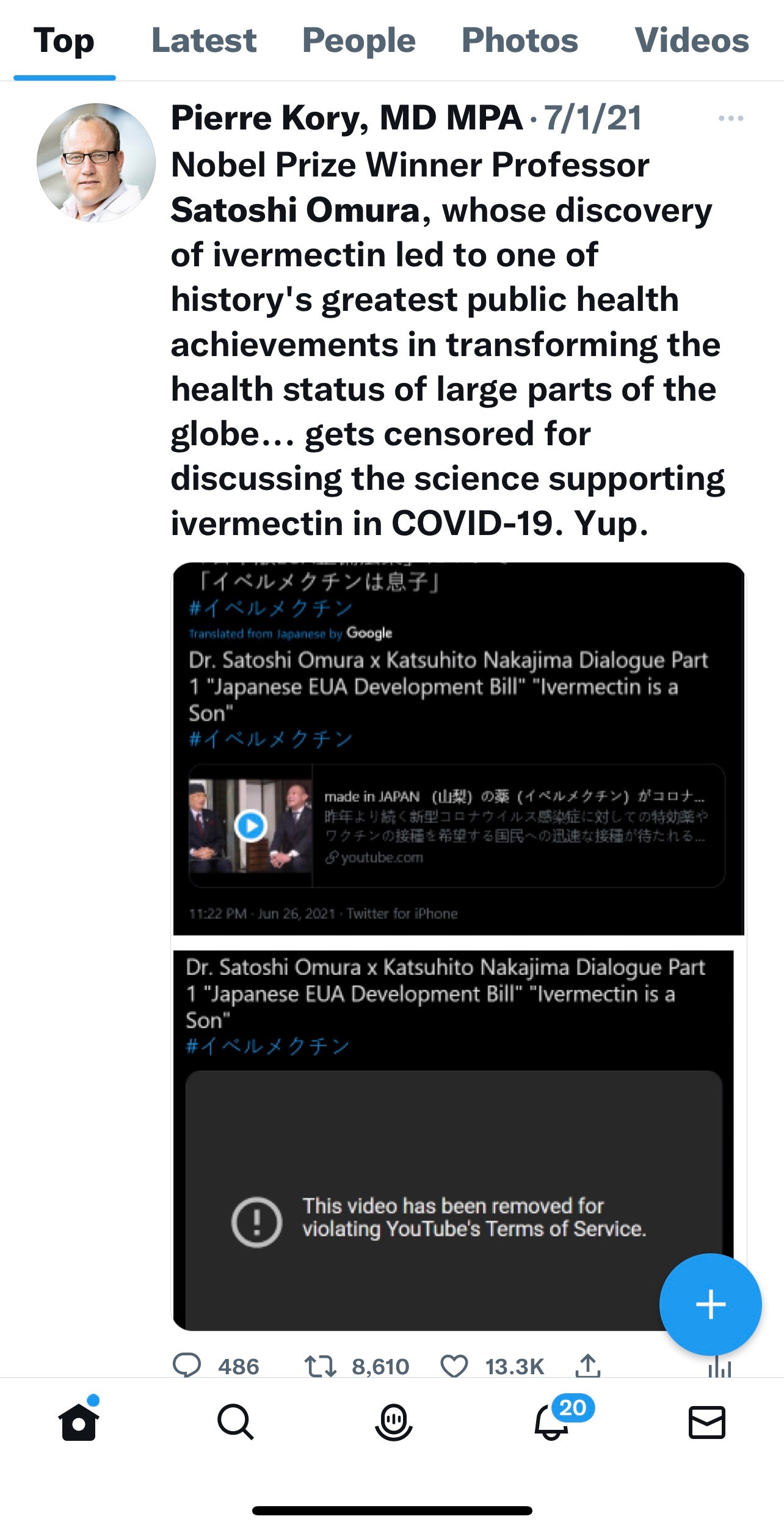
That tweet was paired, in an old post, with a video clip I want to reshare: a fiery diatribe by Professor Masanori Fukushima, Professor Emeritus of Kyoto University, delivering a scathing and scientifically accurate critique of pretty much every aspect of the COVID vaccine campaign. The world had only a handful of truly prominent academics bold enough to publicly criticize their country’s COVID response, and no one came close to Fukushima’s fury (it’s even angrier than my ivermectin Senate testimony). When I watch it, I feel like I did as a kid watching the training montage in Rocky, with the theme music cranked up. Best line: “a bunch of incompetent scholars who cannot be called scholars... a total disregard for science and medicine.” Amen.
But the biggest reason I couldn’t wait to meet Professor Omura was to thank him in person for one of the greatest gifts I have ever received. It came when I was lost, no longer employable in any ICU, and feeling down (a feeling I rarely, if ever, suffer), and it lifted me up when nothing else could.
*If you appreciate the late nights and deep dives down rabbit holes that I do, please support my work.
The gift was an extraordinarily beautiful collotype photograph of Streptomyces avermitilis, the soil organism that secretes avermectin. It is one of my most cherished possessions and has hung above my desk ever since:
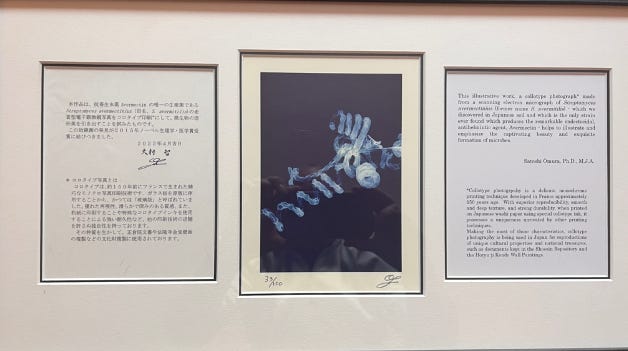
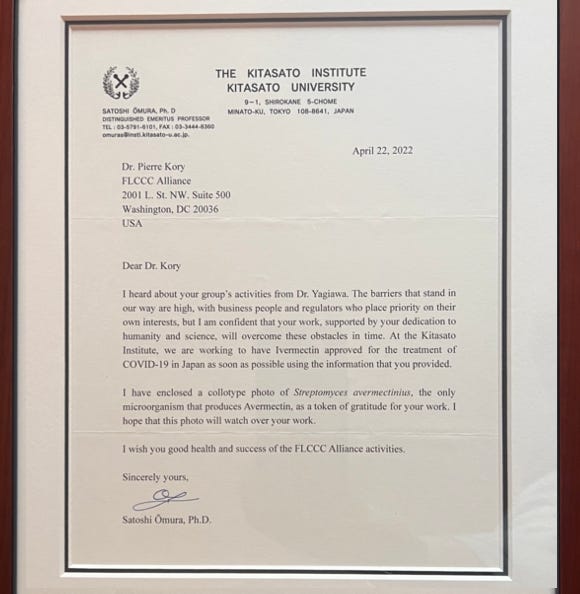
My favorite line in the accompanying letter carries far more power and elegance than this foul-mouthed New Yorker could ever muster:
“The barriers that stand in our way are high, with business people and regulators who place priority on their own interests, but I am confident that your work, supported by your dedication to humanity and science, will overcome these obstacles in time.”
I can recall tears coming to my eyes as I stared at the gift and letter.
So off we went, despite the Iraq War being only weeks old and being bombarded with doomsday scenarios across social media and from friends. Ignoring the risks of an unstable world, my six-months-pregnant wife Lisa and I were excited as all get out.
Meeting Professor Ōmura
Mori arranged everything. He told me Professor Ōmura wanted to host a private dinner for Lisa and me, and he also invited us to tour his laboratory and institute.
Mori picked us up from the hotel in a private car along with Kenji Torii, the man who helped Ōmura self-publish his book. A couple of words about Kenji. Kenji is known for making and selling the Tiger gyroscope, a Japanese icon. It was first made in Nagoya in 1921 and became a household name in the 1960s and 70s, when vendors demonstrated it at festivals and children and adults alike were captivated by it. It nearly vanished in 2015, when its maker closed because the aging craftsmen had no one to take over. Kenji was one of those craftsmen that revived it, and today it is cherished as a nostalgic collectible and still used in classrooms to teach the physics of the gyroscope. Check it out:

Kenji also gifted me a pristine copy of “Rock-Water,” an agronomy and wastewater textbook that contained the vast majority of the data and insights that allowed me to finish my books and launch my mineral products.
The first thing we did was stop to see the cherry blossoms, which had just begun to bloom across Tokyo (we were about a week or two before peak bloom).
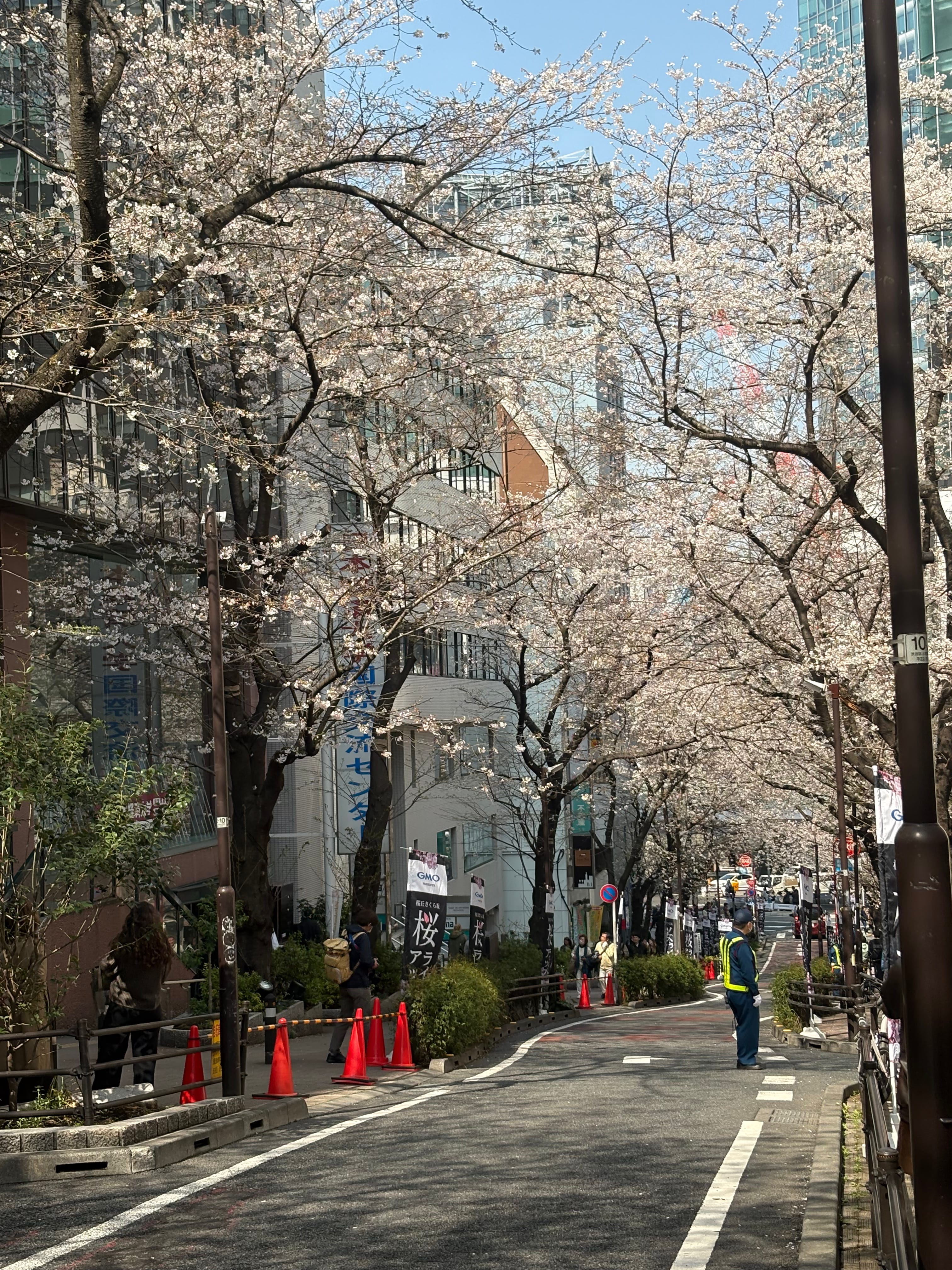
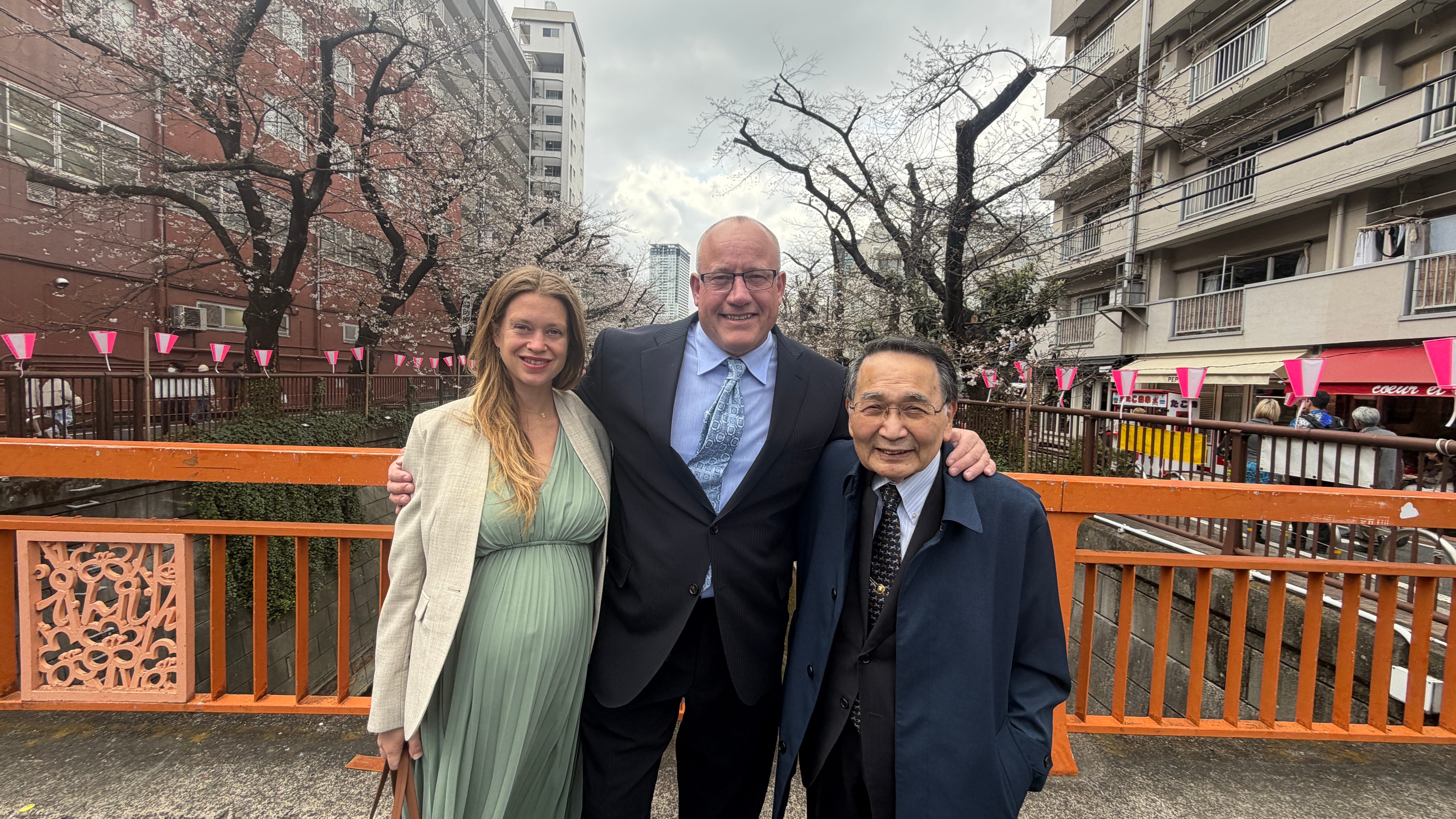
On the way, I learned that Mori, like his father, was a doctor of pharmacology (another Japanese pharmaceutical scientist, what is happening :), and that Ōmura had been his father’s student. Mori and Ōmura had known and worked with each other for years, particularly during COVID.
Arrival At Kitisato Institute
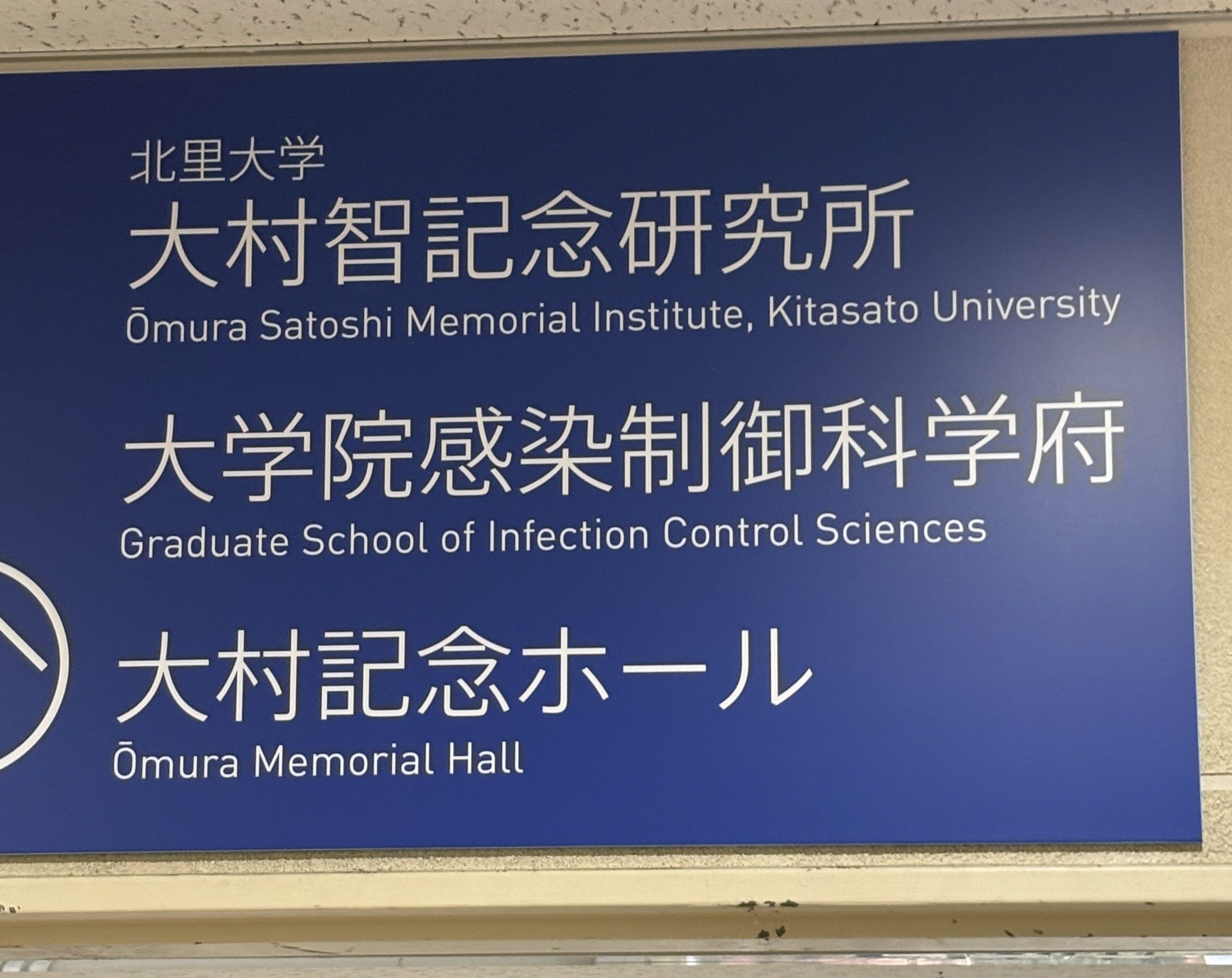
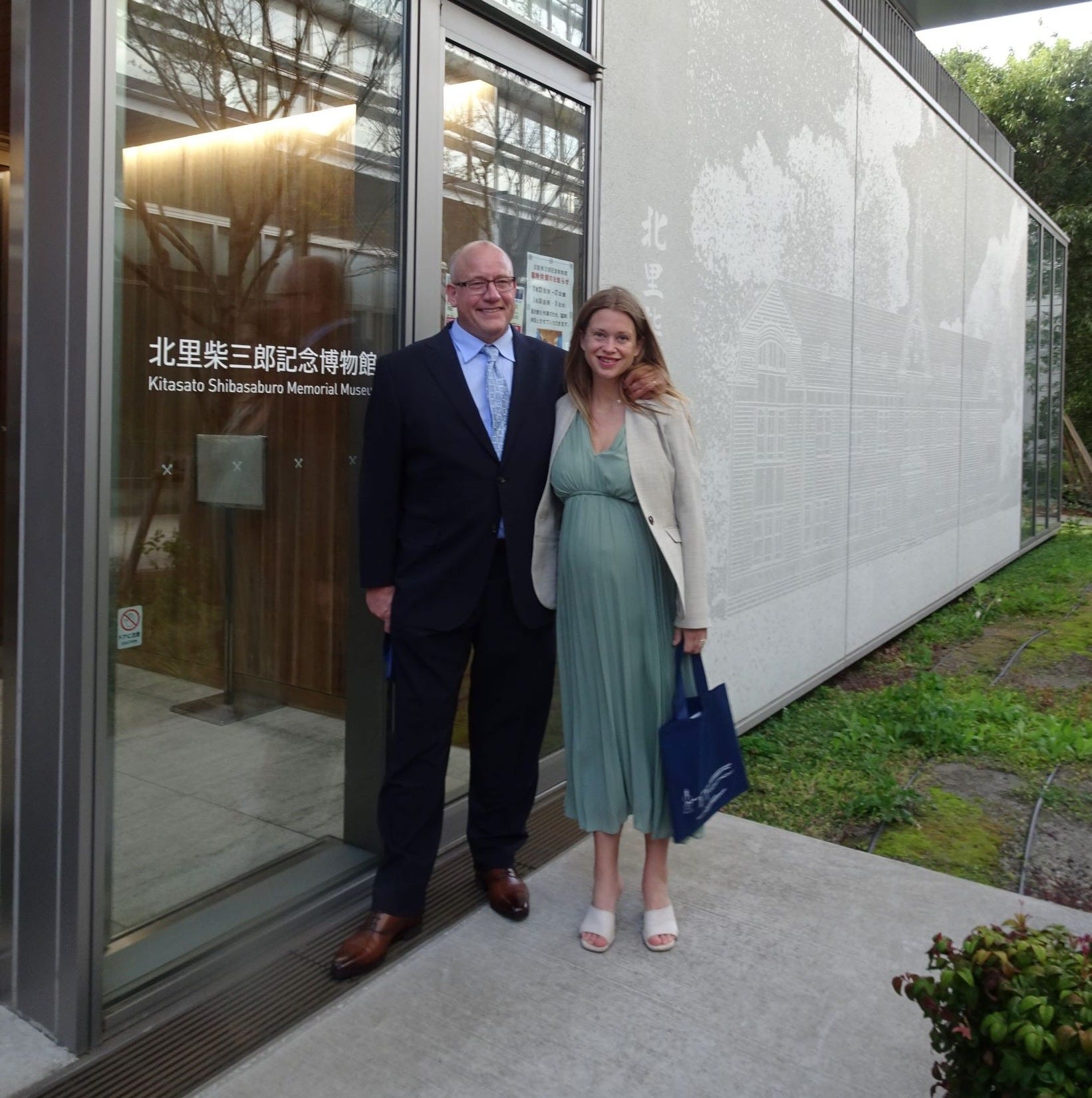
We were led to Ōmura’s office, into an anteroom with a long conference table surrounded by bookcases full of textbooks and journals. Mori, his colleague Dr. Patrick Forster, a pediatrician who has practiced in Tokyo for many years and co-authored Ōmura’s ivermectin papers, and the researchers who had guided us all stepped back, leaving me alone in the center of the room as Ōmura emerged from his adjoining office, smiled gently, and walked over. We bowed and shook hands.
Having studied Japanese customs in preparation for the trip, I knew that there are three types of bows in Japanese culture, and one in particular, deep and long, is reserved for men of Ōmura’s stature. It might be an exaggeration to say my nose almost touched the floor :).
His kindness and warmth shone through immediately, along with an easy smile. He invited me to sit down and talk. I honestly can’t remember everything he said, but early on I thanked him for the letter he had sent me, told him it arrived when I was down and how much it helped, and tears started pouring out of my eyes. I’m not making that up, and I’m not going to dress it up. I was simply overwhelmed to be sitting across from him (and, actually, a little embarrassed). See how everyone moved away from us to the far corner of the room:
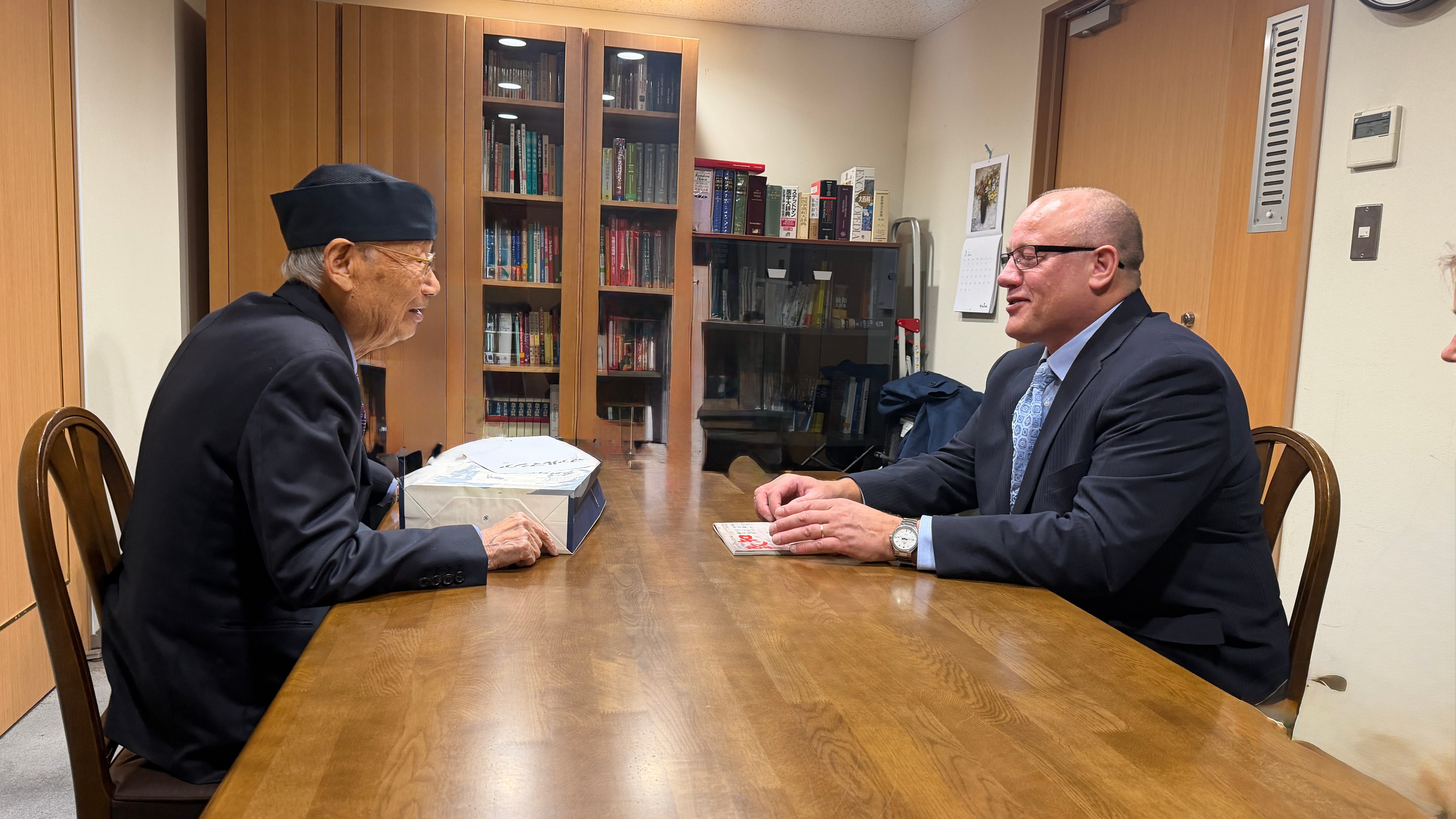
I quickly recovered. The conversation shifted to our voyage and lodgings, and to Lisa, visibly pregnant, whom he was clearly happy to meet; he asked about the impending Lazlo. Lisa asked him a few questions, and we learned he was 90 years old, worked full time, still directed the Institute, and oversaw no fewer than 70 active research studies.
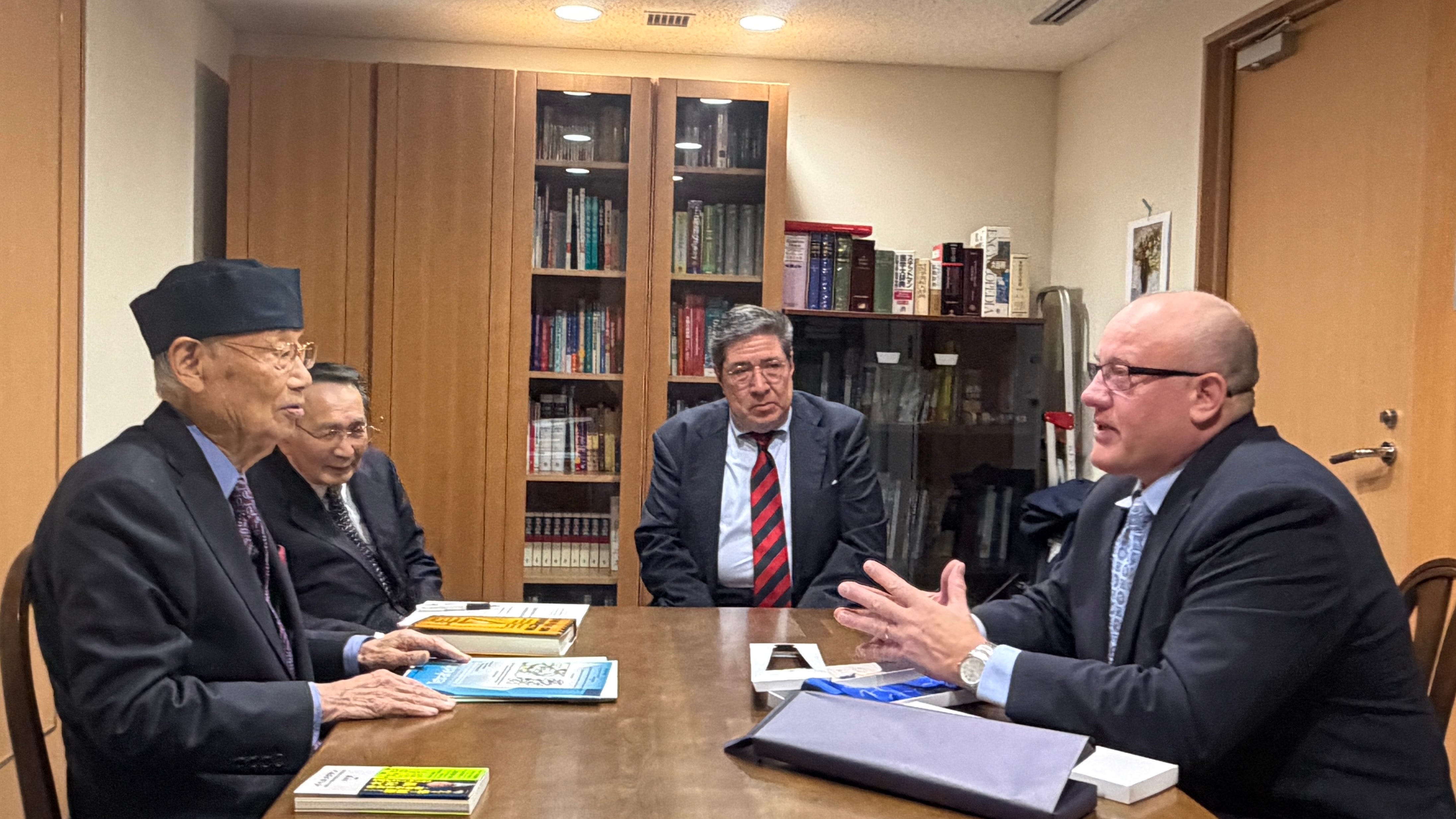
(If you look closely, you can see my eyes are still red from crying, ugh.)
Tea was brought out, and we began exchanging gifts. Despite my studying Japanese etiquette, I still felt I’d gotten it wrong. All I brought was a signed copy of The War on Ivermectin, which felt thin in front of him. I also think I gave him a bottle of American whiskey, which I had learned was an appreciated gift in Japan, but I can’t remember exactly because I had already given several as gifts to others that week.
I was embarrassed by the number and thoughtfulness of the gifts I received, each more amazing than the last. First, he gave me an inscribed copy of his book, Ivermectin: Can It Become a Lifesaving Treatment for COVID-19?, along with an inscribed copy of Ivermectin: Testimonials by Clinicians Worldwide, which Paul Marik edited and for which Ōmura wrote the foreword. He also gave me a signed copy of his and his colleagues’ masterful review of what I believe were 42 ivermectin trials at the time:
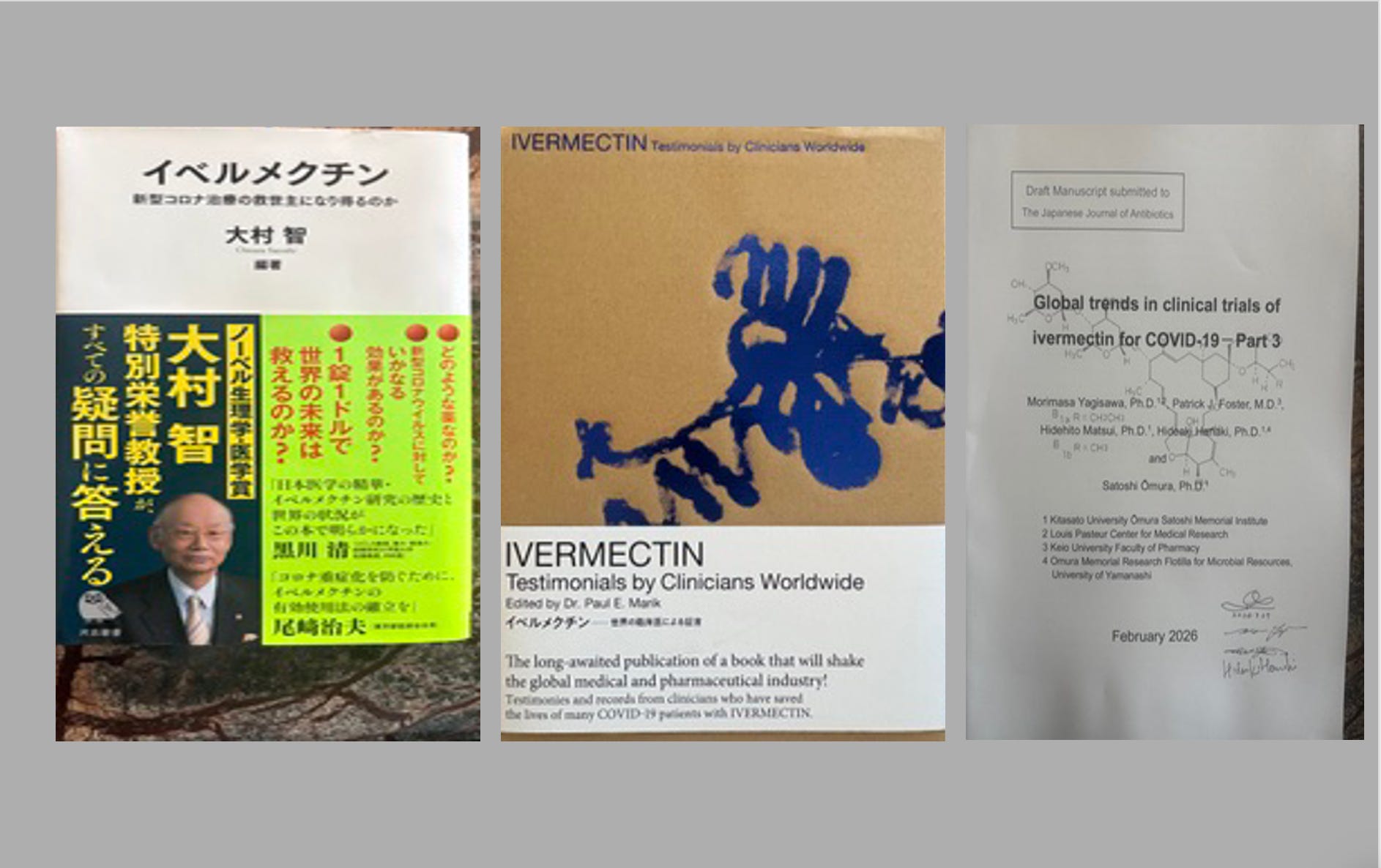
The promotional band on his book says: “Nobel laureate and Distinguished Professor Satoshi Ōmura answers all your questions.” And the back jacket reads:
Satoshi Ōmura
Born in 1935 in Nirasaki, Yamanashi Prefecture. Chemist (natural product organic chemistry); graduate of the University of Yamanashi. Doctor of Pharmaceutical Sciences and Doctor of Science. Through his discovery of avermectin and its derivative ivermectin, he contributed to the eradication of two tropical diseases, and in 2015 he was awarded the Nobel Prize in Physiology or Medicine for “the discovery of a novel therapy against infections caused by roundworm parasites.” His books include “Words That Shape a Person,” “The Prime of Life,” and “The Roundabout Road to Stockholm: My Personal History.”
I also received several recent publications related to the Kitasato Institute, each cover inscribed with a little note from Ōmura, cookie replicas of the 1,000 yen bill featuring Ōmura’s hero, Shibasaburō Kitasato (more on him below), and another box of cookies:
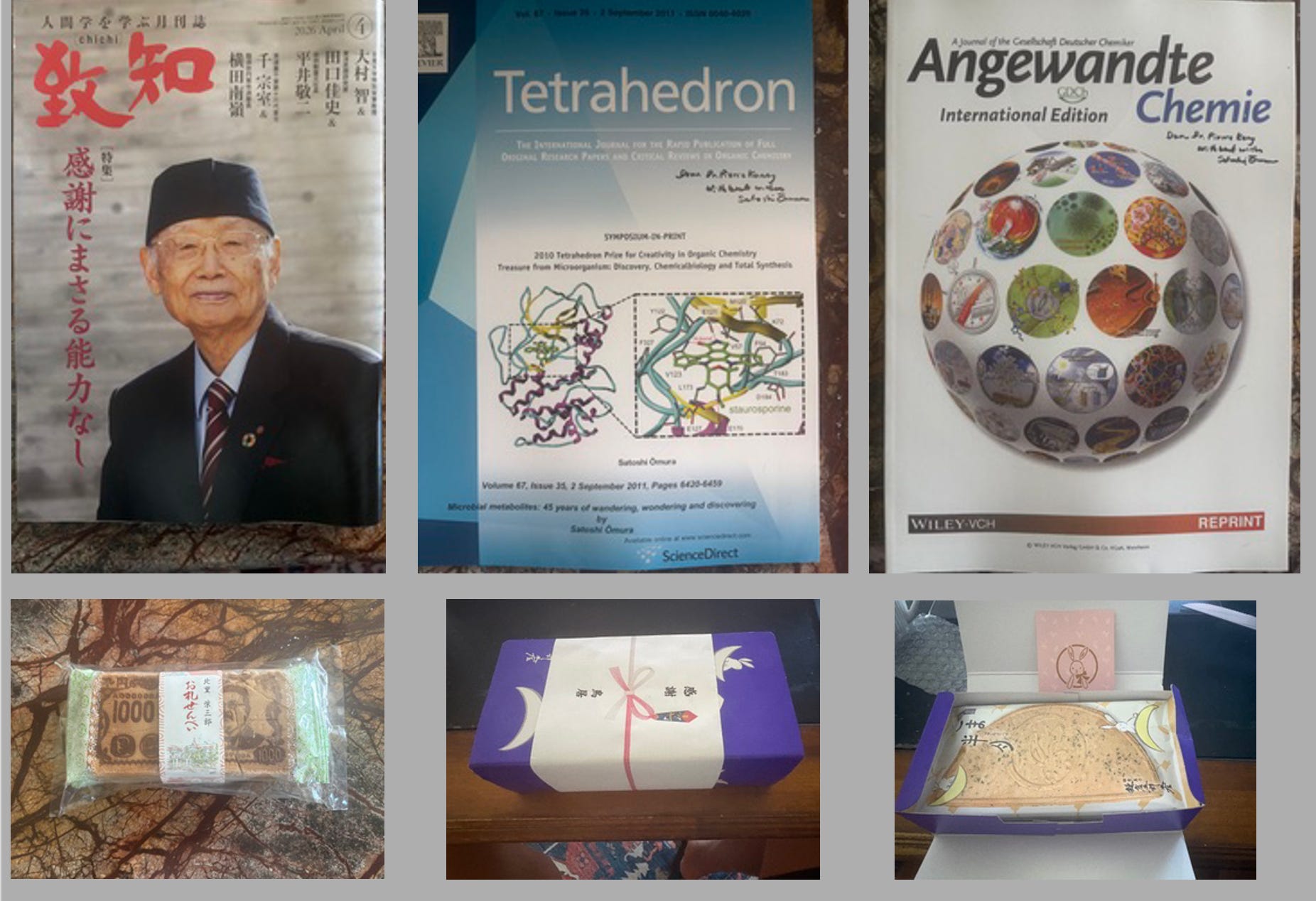
The magazine featuring Ōmura is “a monthly magazine for studying human character.” The main headline reads: “No ability surpasses gratitude.”
If that wasn’t enough, I then received... a beautiful blue tie printed with the molecular structure of ivermectin, made by who else... Ōmura!
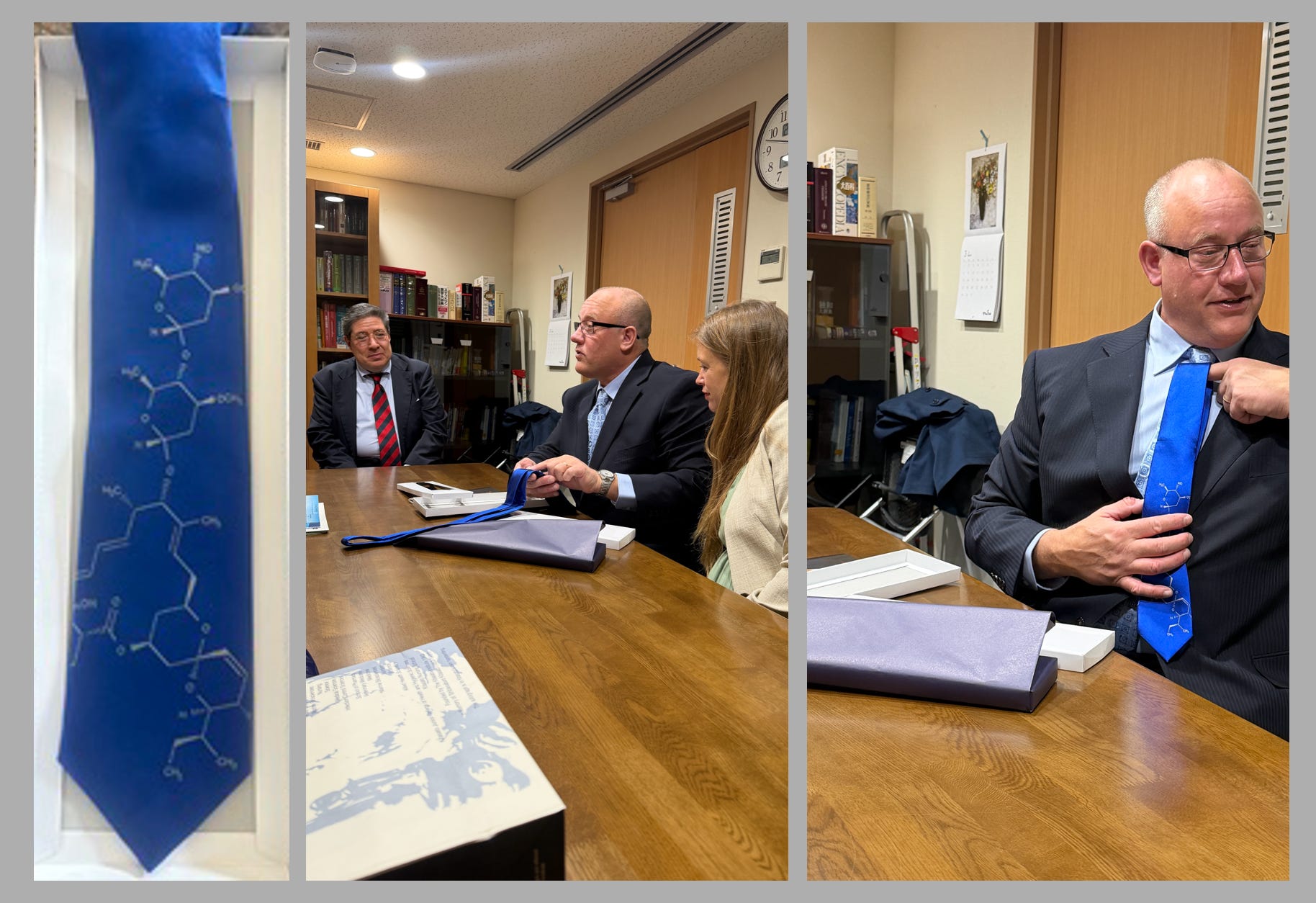
There are no words for the last gift, as I can’t express its importance briefly enough for this post (for that, you’d have to read The Blueprint of Life, which is part memoir). It was a shikishi, a traditional square calligraphy board, which he had brushed for me with his favorite phrase, along with the English translation:
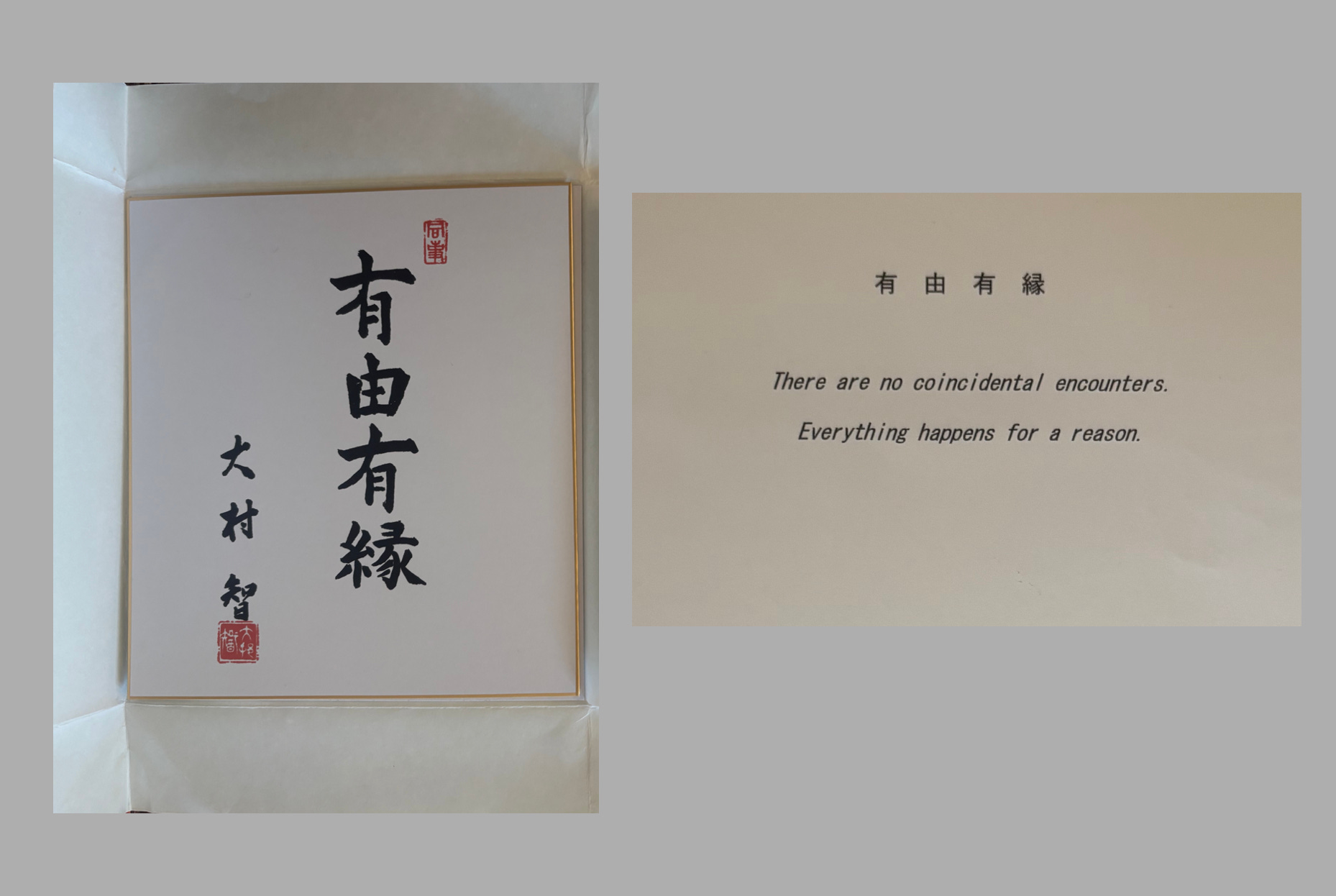
His signature is the smaller column at the bottom left, and his personal seal in red is beneath it. In Japan, the closest thing to a signature is a seal, a small carved stamp called a hanko (or, more formally, an inkan). For centuries it has carried more weight than any signature. Most adults own several: an everyday seal for signing for packages, a bank seal, and a jitsuin, registered with the city government and reserved for life’s biggest moments, like buying a home or signing a major contract. A Japanese person’s hanko is usually just their name in kanji, hand-carved in an ancient, highly stylized script that makes it nearly impossible to forge. Artists and calligraphers go a step further, adopting an artistic name and pressing their seals in red ink beside their work, as Professor Ōmura did here. (I came home with a hanko of my own. More on that at the end.)
The Tour of Kitasato Insititute
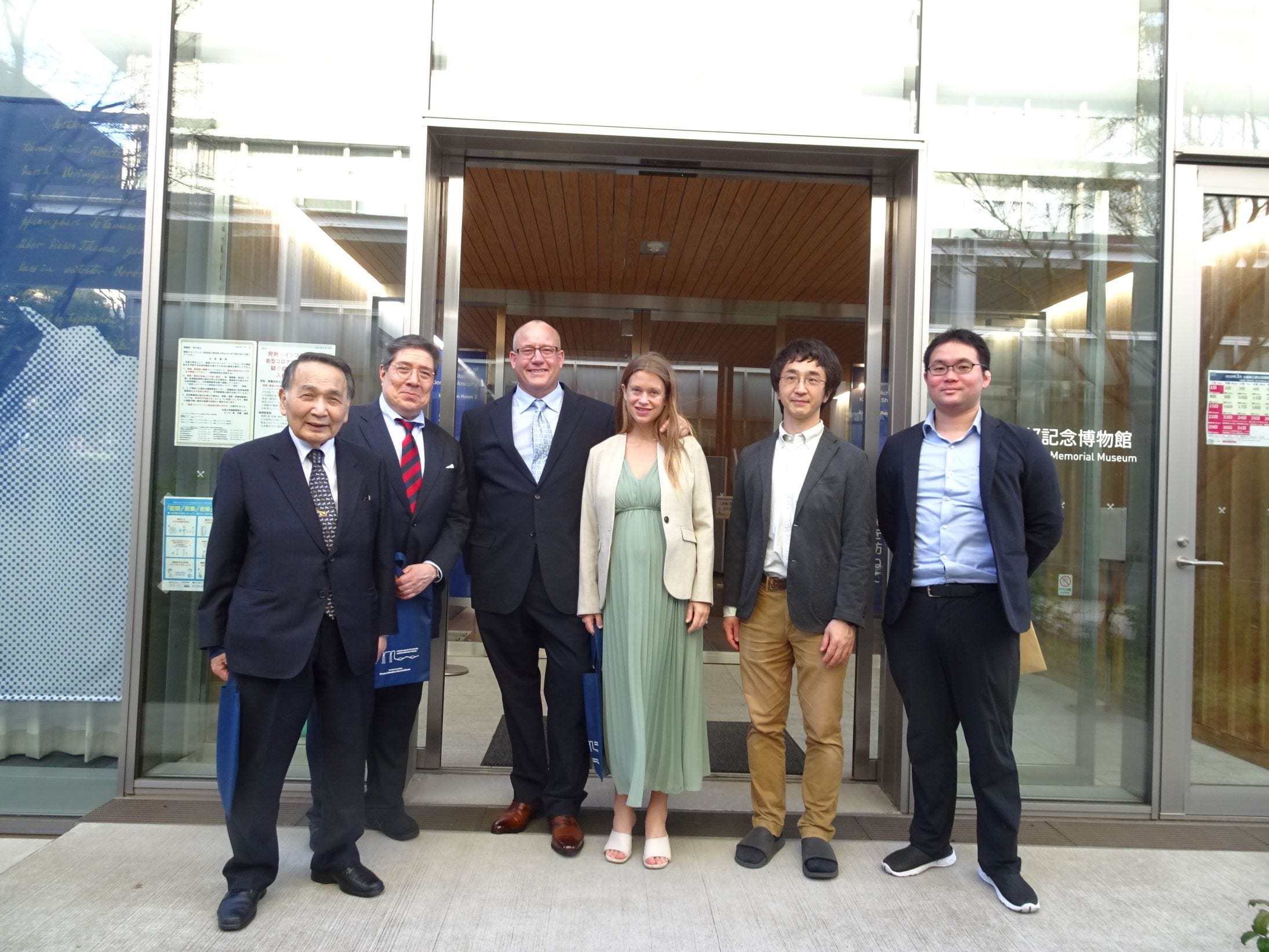
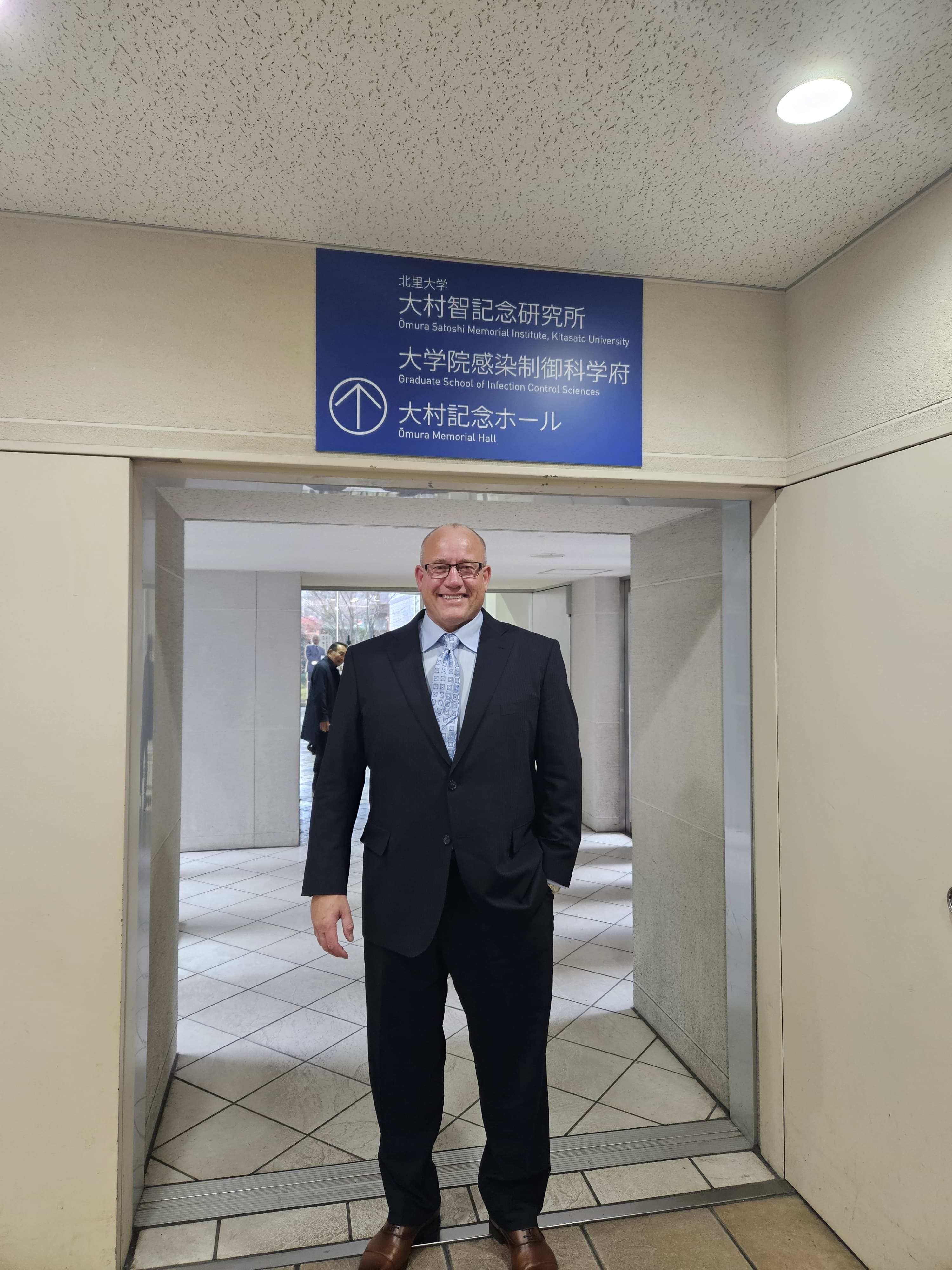
I had read a great deal about Ōmura before the trip, but I learned far more on the tour he arranged for me through the Kitasato Institute and museum, led by a professor and a postdoc who were likely two of the country’s brightest chemists (even though they looked like teenagers IMO). From left to right: Morimasa Yagasawa, Dr. Patrick Foster, me. Lisa, and the young chemists.
What Came Out of the Soil
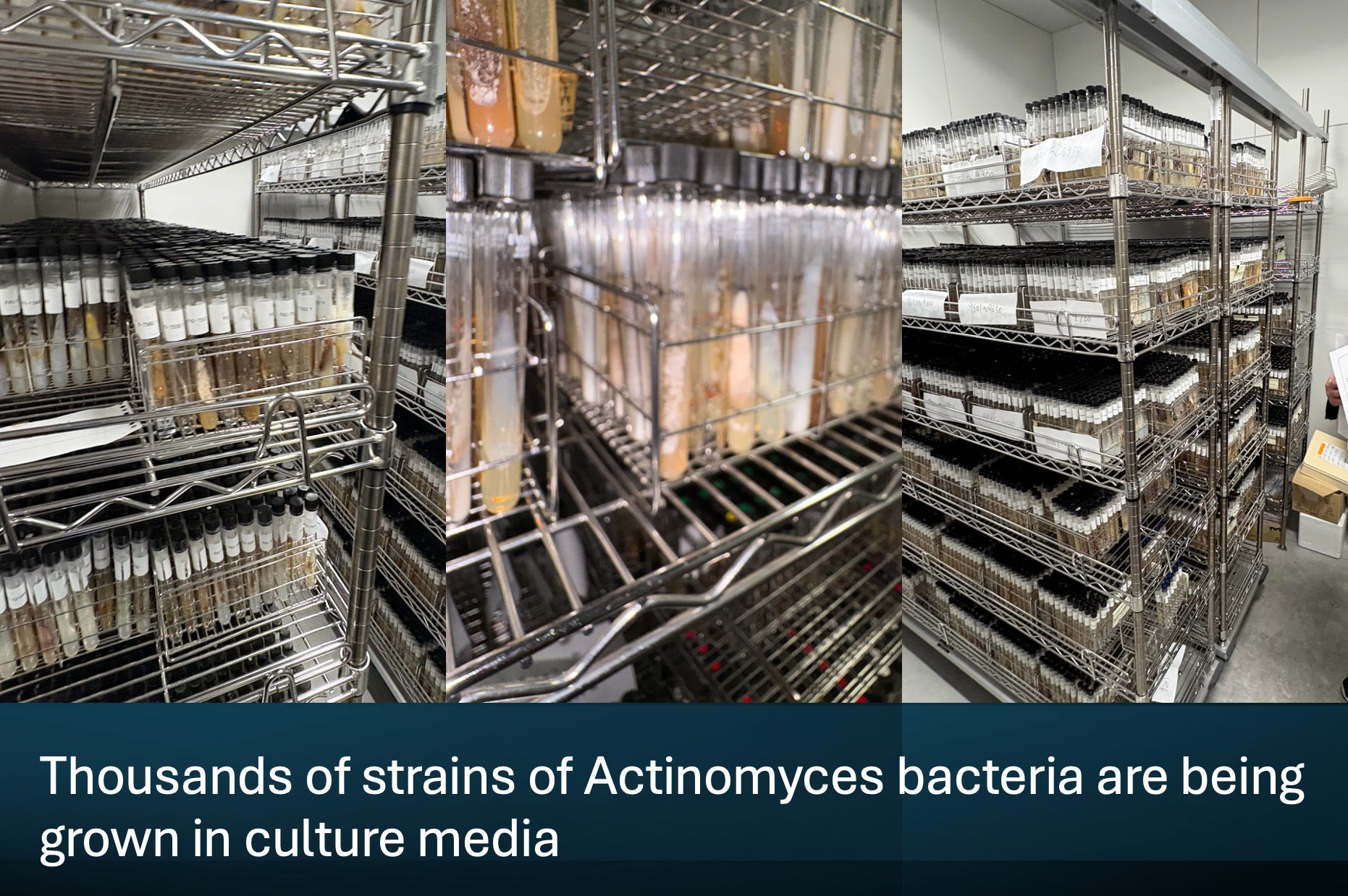
The scientists first took us to the room holding the actinomycete biobanks, and it was a sight to behold. Thousands of test tubes in trays, stacked in eight-foot-high racks, filled the room, with growth visible atop the culture medium in each one: soil organisms, collected and cataloged.
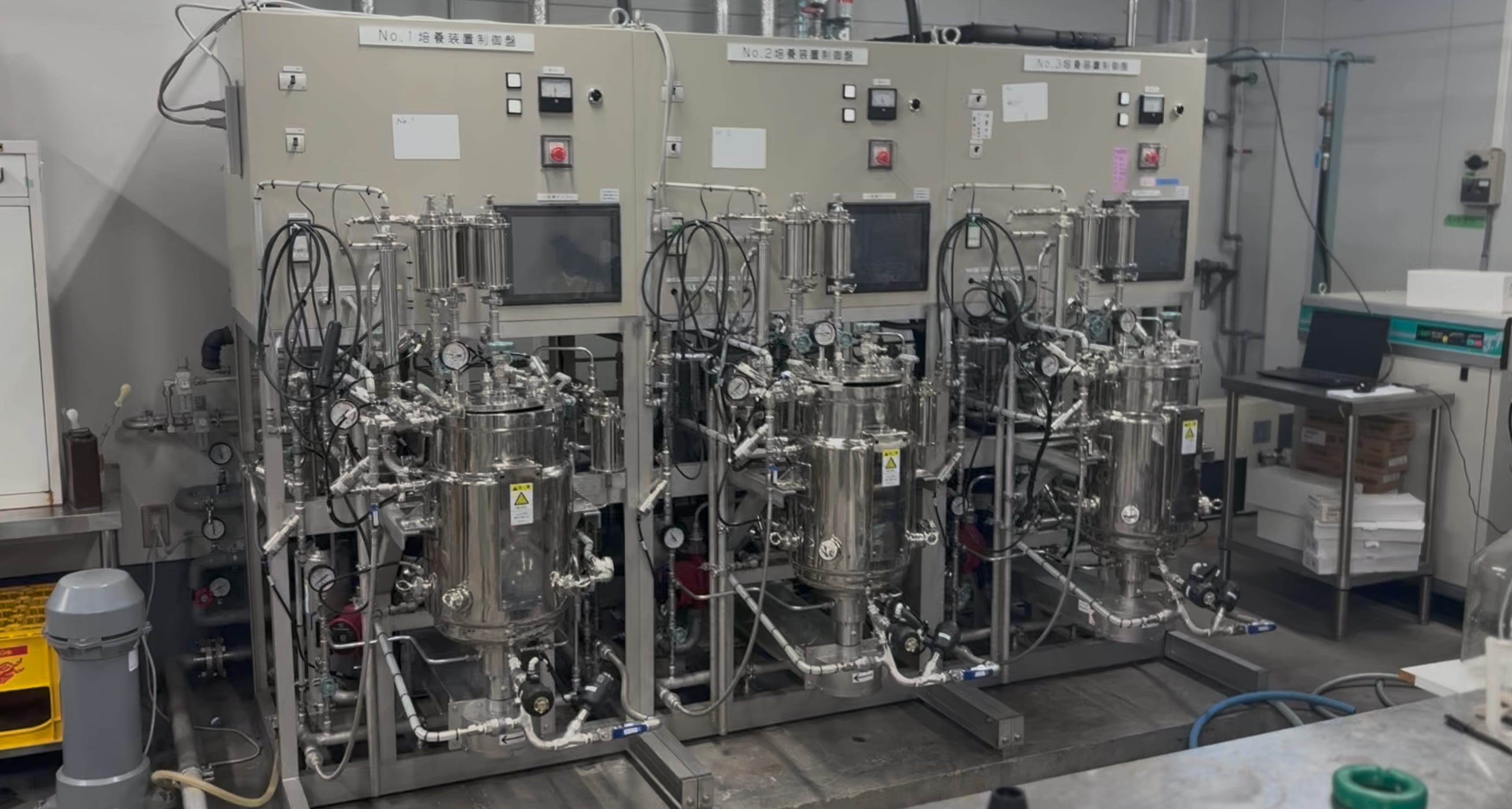
Then came a room of sophisticated-looking equipment, which I believe separates and identifies the metabolites the organisms secrete (I could be wrong, but either way it was impressive to look at).
Ōmura’s method of discovering therapeutic compounds in nature, the method that found ivermectin, is traced in the image below: collect microorganisms, isolate them by species, preserve them, ferment them, extract the fermentation broth, then analyze the metabolites produced and test them for antimicrobial or enzymatic activity.

Ōmura’s methods have brought eighteen drugs to the human market, and twenty-six if you count veterinary medicines. I had known about ivermectin. I didn’t know his laboratory also discovered staurosporine, the first potent protein kinase inhibitor ever found, a compound that helped open the door to an entire class of cancer drugs, including Gleevec (imatinib). Gleevec blocks the BCR-ABL protein that drives chronic myeloid leukemia, and it transformed a frequently fatal disease into one many patients now live with for decades. The three most important therapeutic metabolites are highlighted below:
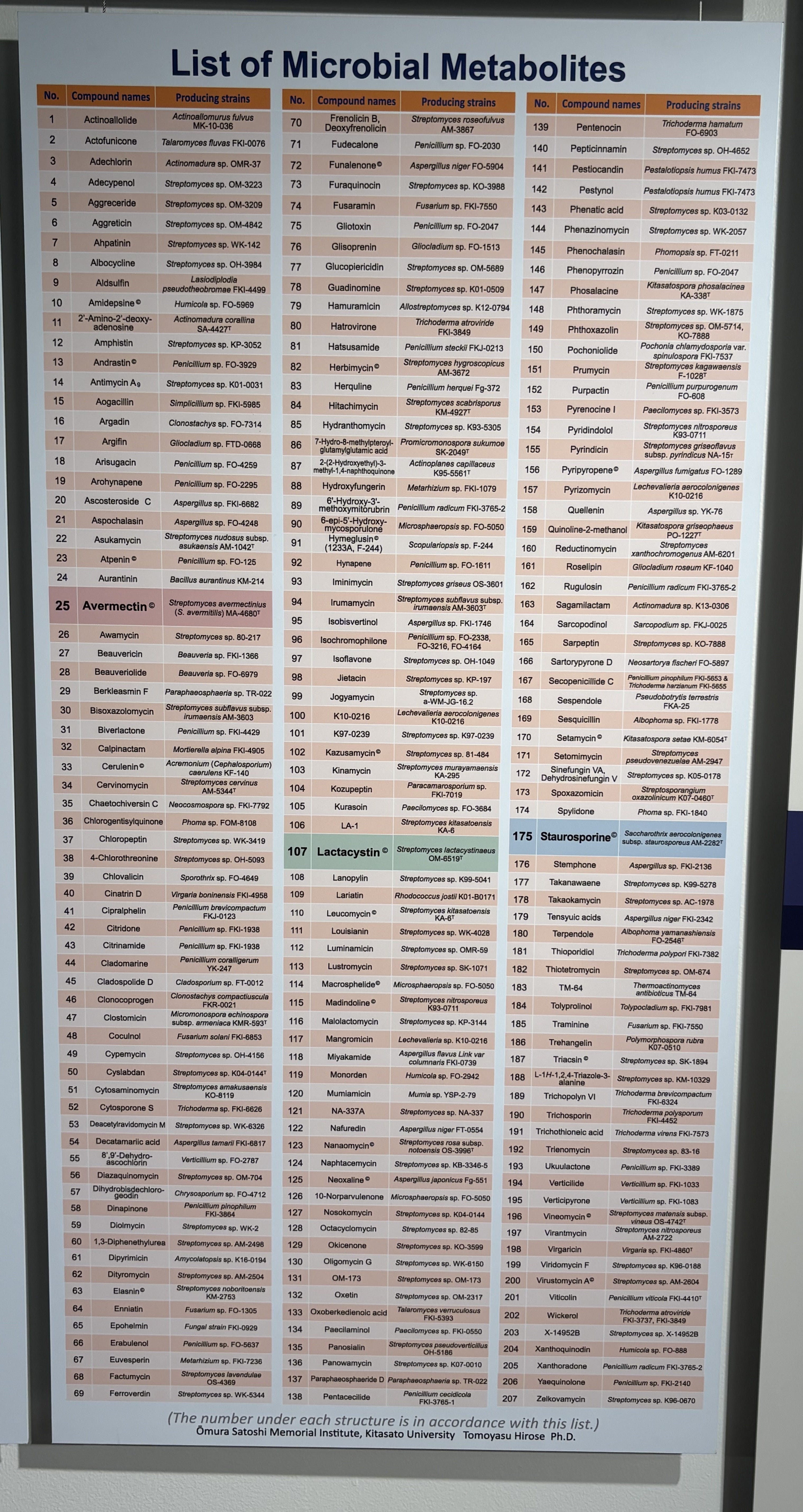
One man, one method, one patient habit of picking up dirt.
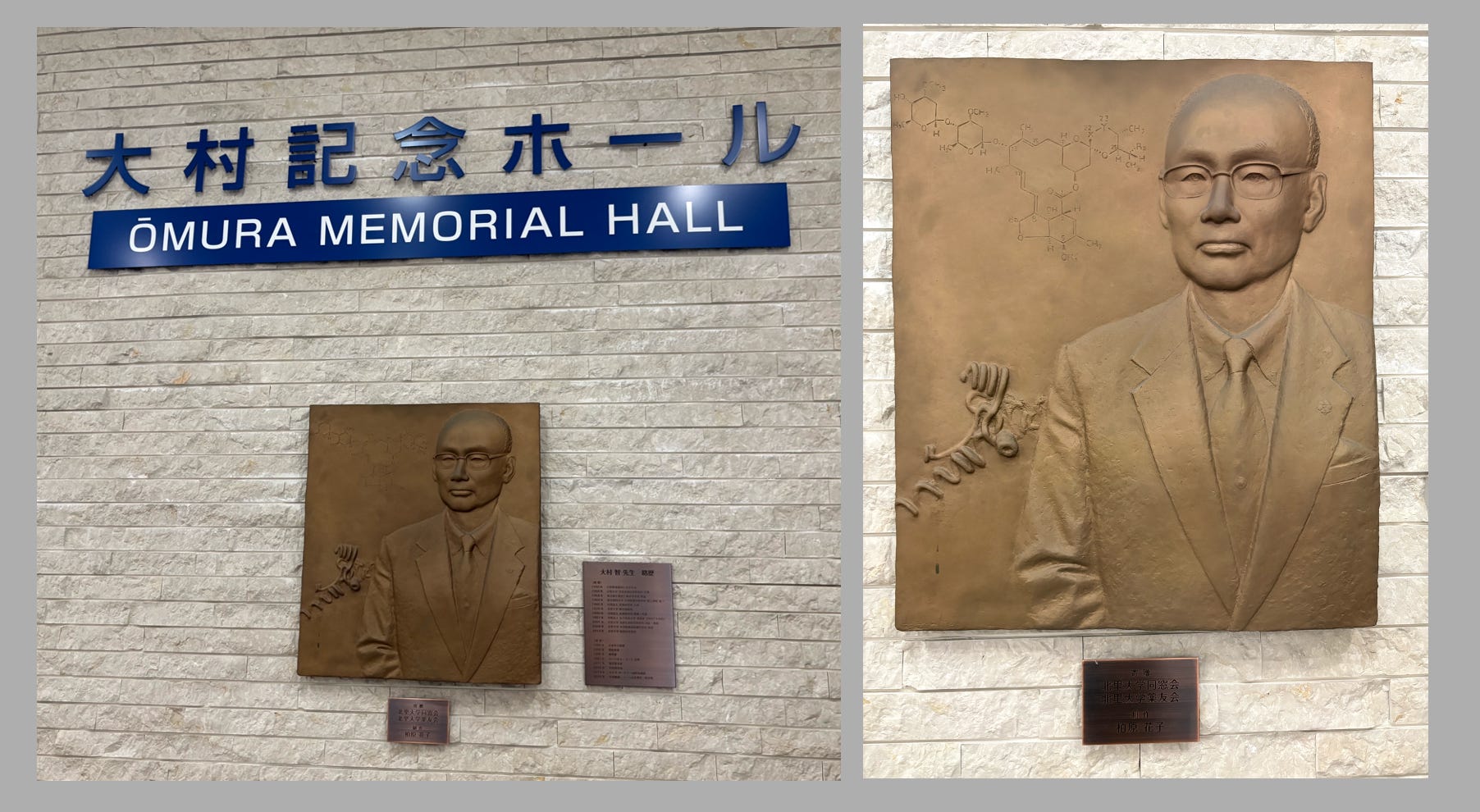
As we walked through the institute and hospital, his name, image, and legacy were everywhere:
Then we came across a replica of the famous bronze statue, Sightless Among Miracles, which depicts a common sight in parts of Africa for most of the last century: a boy leading, with a stick, an elder blinded by onchocerciasis (river blindness).
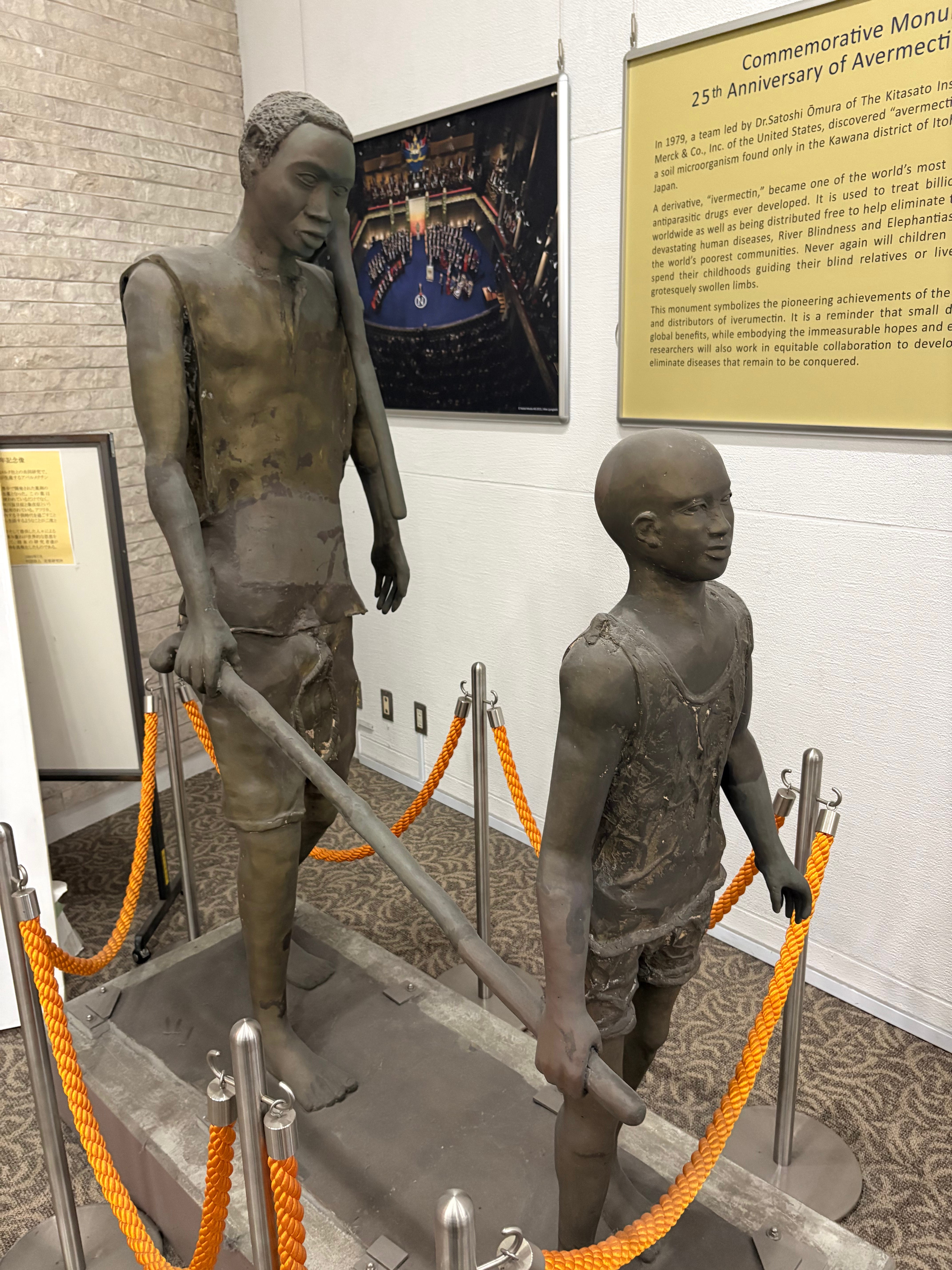
Around 50% of men under 40 had been blinded in some West African communities in the 1970s, according to the WHO. By the early 1960s, the disease was driving whole villages to abandon fertile river valleys for drier, poorer land, according to the World Bank. Communities had to choose between going blind and going hungry.
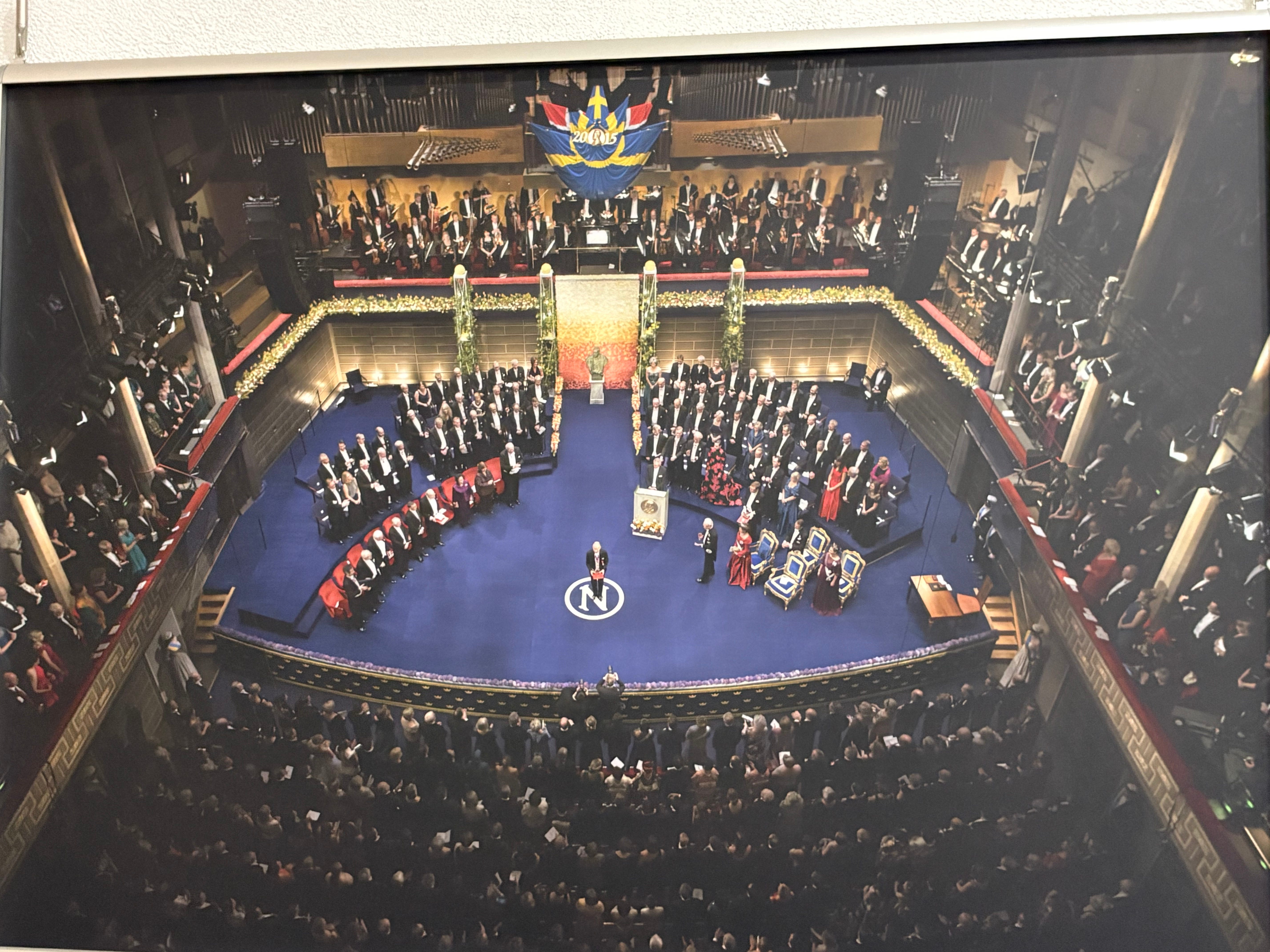
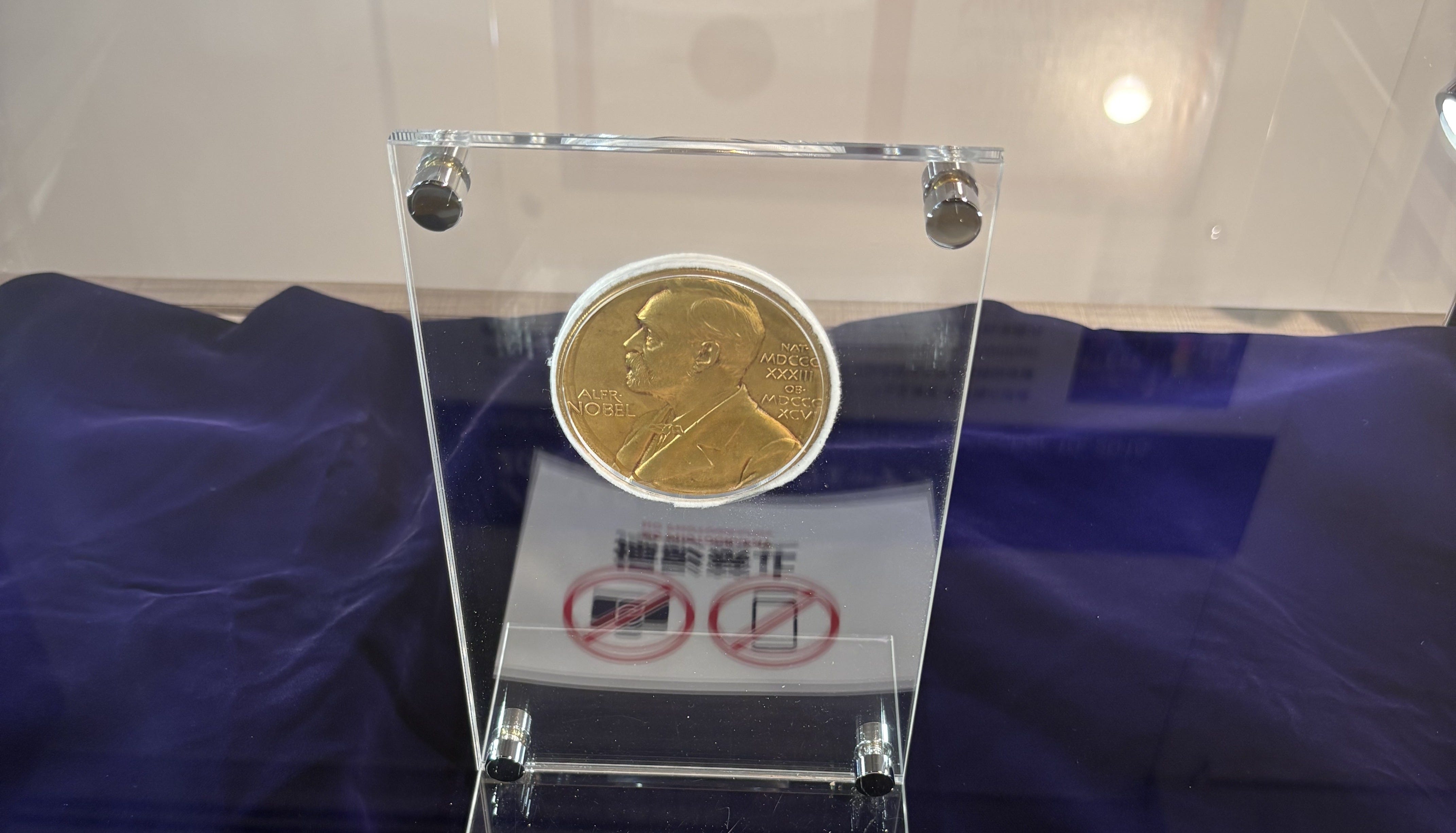
The statue commemorates ivermectin’s role in preventing river blindness and preserving the sight of millions, the work for which Ōmura and William Campbell of Merck shared the 2015 Nobel Prize. The best-known casting stands at WHO headquarters in Geneva, where it was dedicated in 1999.
Photo of Nobel Prize Ceremony hangs in the museum:
The Nobel Gold Medal:
Healing Art
Ōmura is also one of Japan’s most respected citizens, a devoted philanthropist and a patron of the arts. He gave away much of what he earned in royalties from ivermectin and his other discoveries: he built the hospital itself with patent royalties from his work, chiefly ivermectin, and also built the Kitasato Museum adjoining the institute.
He didn’t just help fund those buildings; he filled them with art, because he believes beauty helps people heal and that people need it around them. The concept is called “Healing Art,” and it began at the Kitasato University Medical Center, which opened in 1989. His collection hangs throughout that hospital, which is known across Japan as “the hospital with paintings.” The city of Kitamoto describes the idea as combining modern medicine with nature and art, under the theme of “healing the heart through paintings.” I’ll admit that on the hospital tour, I spent most of my time looking at the art in the corridors.
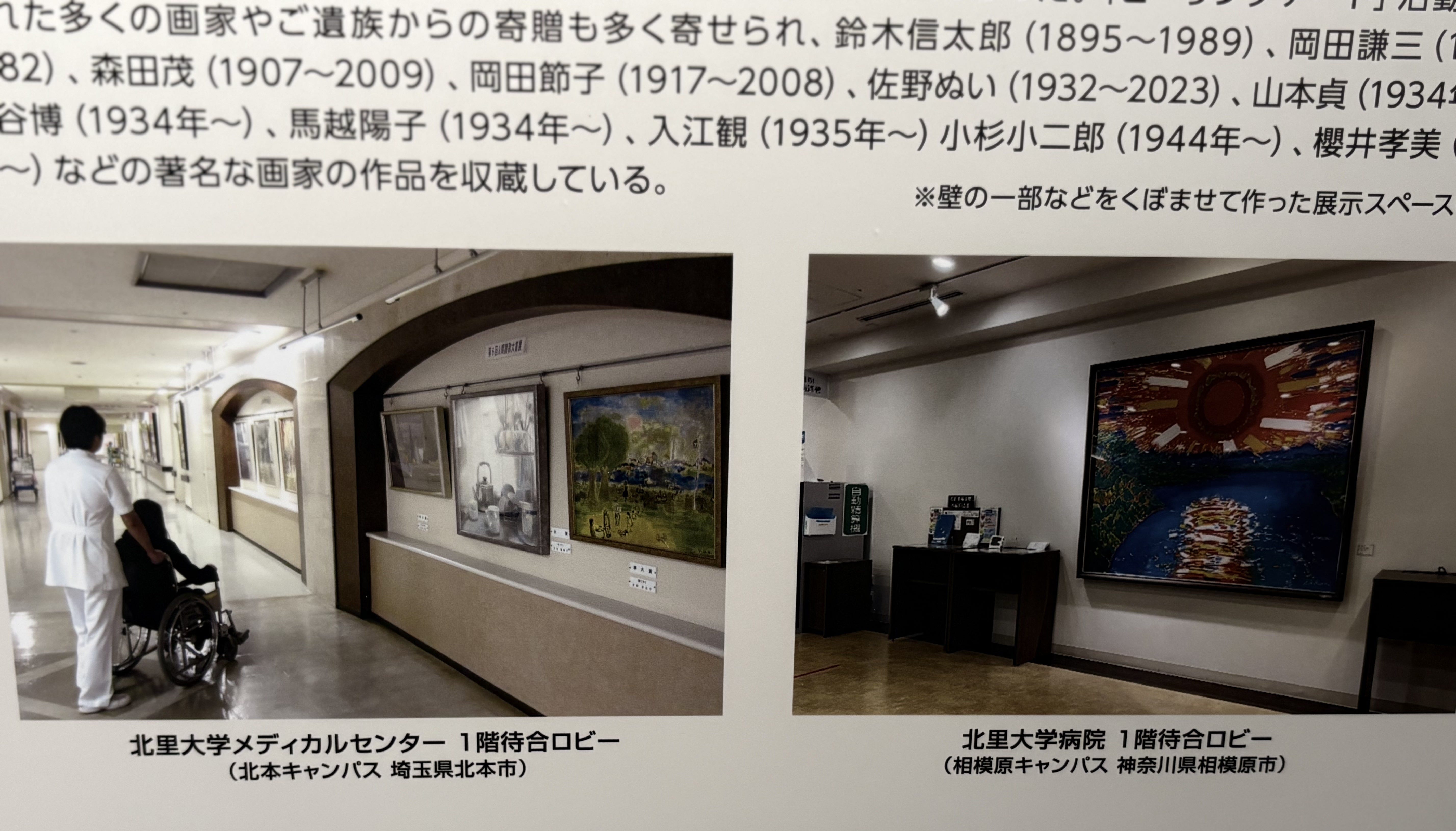
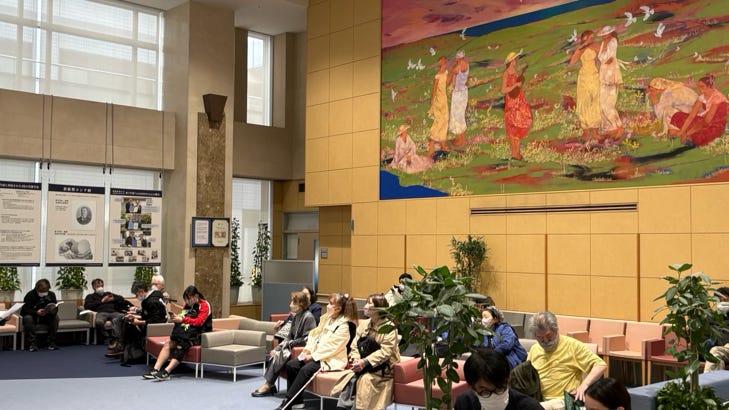
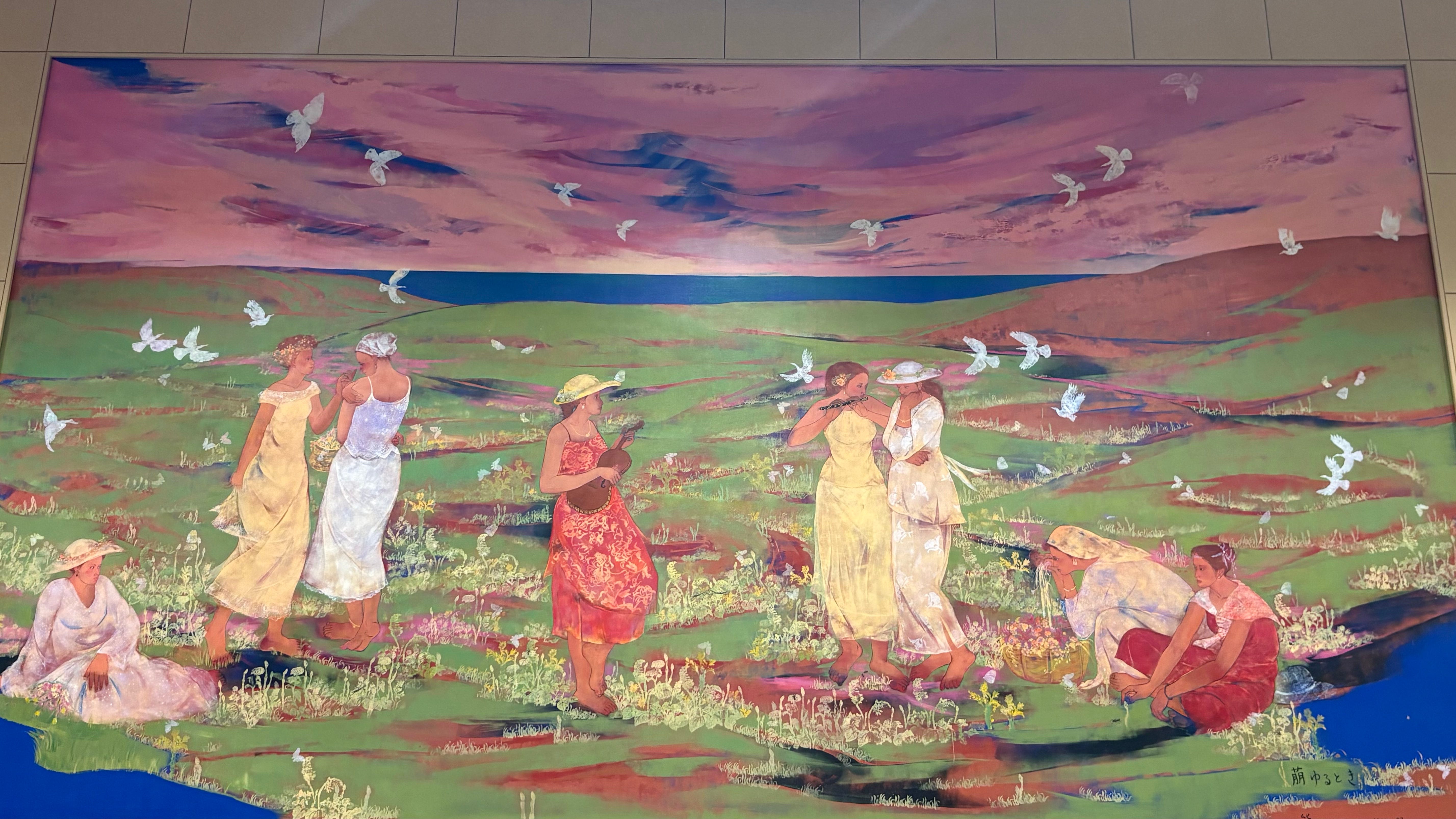
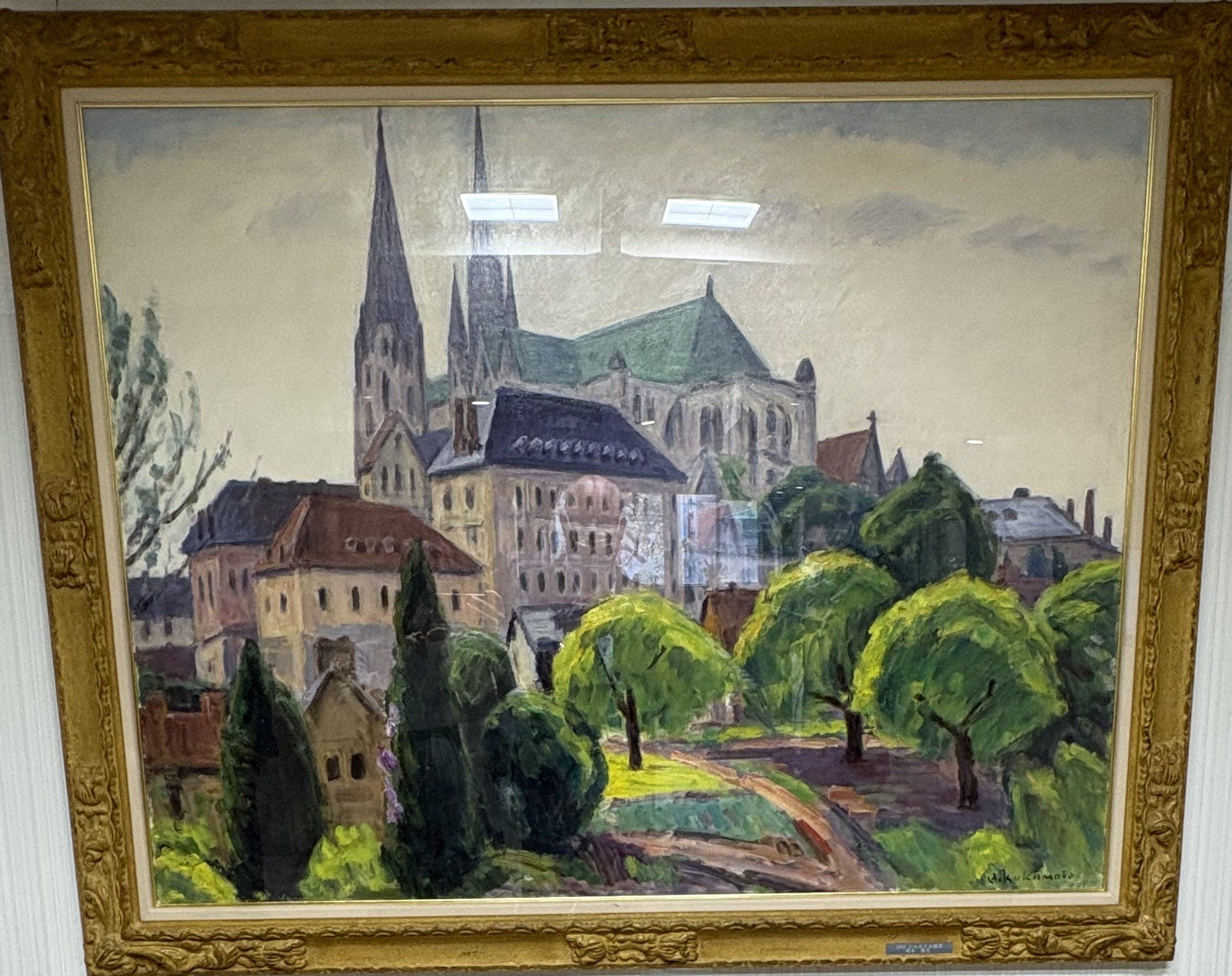
His collecting and philanthropy extend further still. In 2007, he donated a museum and much of his collection of roughly 3,500 works to his hometown, which became the Nirasaki Ōmura Art Museum. He told me I have to visit it next time. He loves that place, he said, because from his house there he can see Mount Fuji when he wakes up in the morning. He has said, “Works of art are the common property of all humankind.”
The Kitasato Museum
We were warmly greeted by a guide (who may have been the museum director) who gave us a private tour; no one else was in the museum. She was a wonderful young woman who said she was really nervous that her English wasn’t good enough (it was!). I honestly loved that museum; I stopped and looked at every single item. Enjoy:
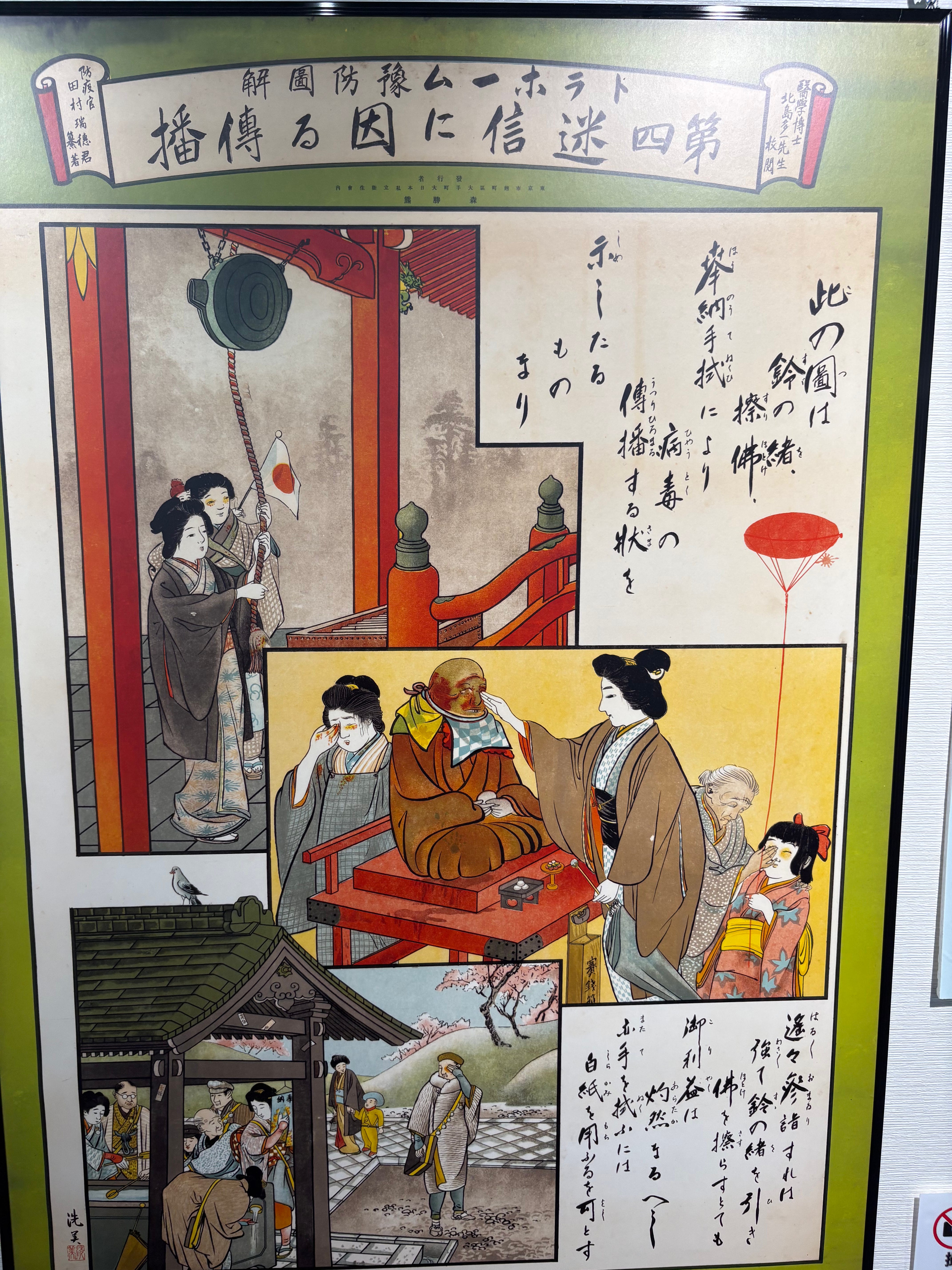
Above: Trachoma Prevention, Illustrated
No. 4: Transmission Through Superstition
Compiled by Epidemic Prevention Officer Tamura Mizuho
Reviewed by Dr. Kitajima Taichi, Doctor of Medicine
This picture shows how people once thought a contagious eye infection, a leading cause of blindness in Japan, spread through the temple bell rope, the “rubbing Buddha,” and towels donated to shrines.
”If you have come all this way to worship, the blessing will surely be yours even without pulling the bell rope or rubbing the Buddha. And to wipe your hands, it is best to use clean white paper.”
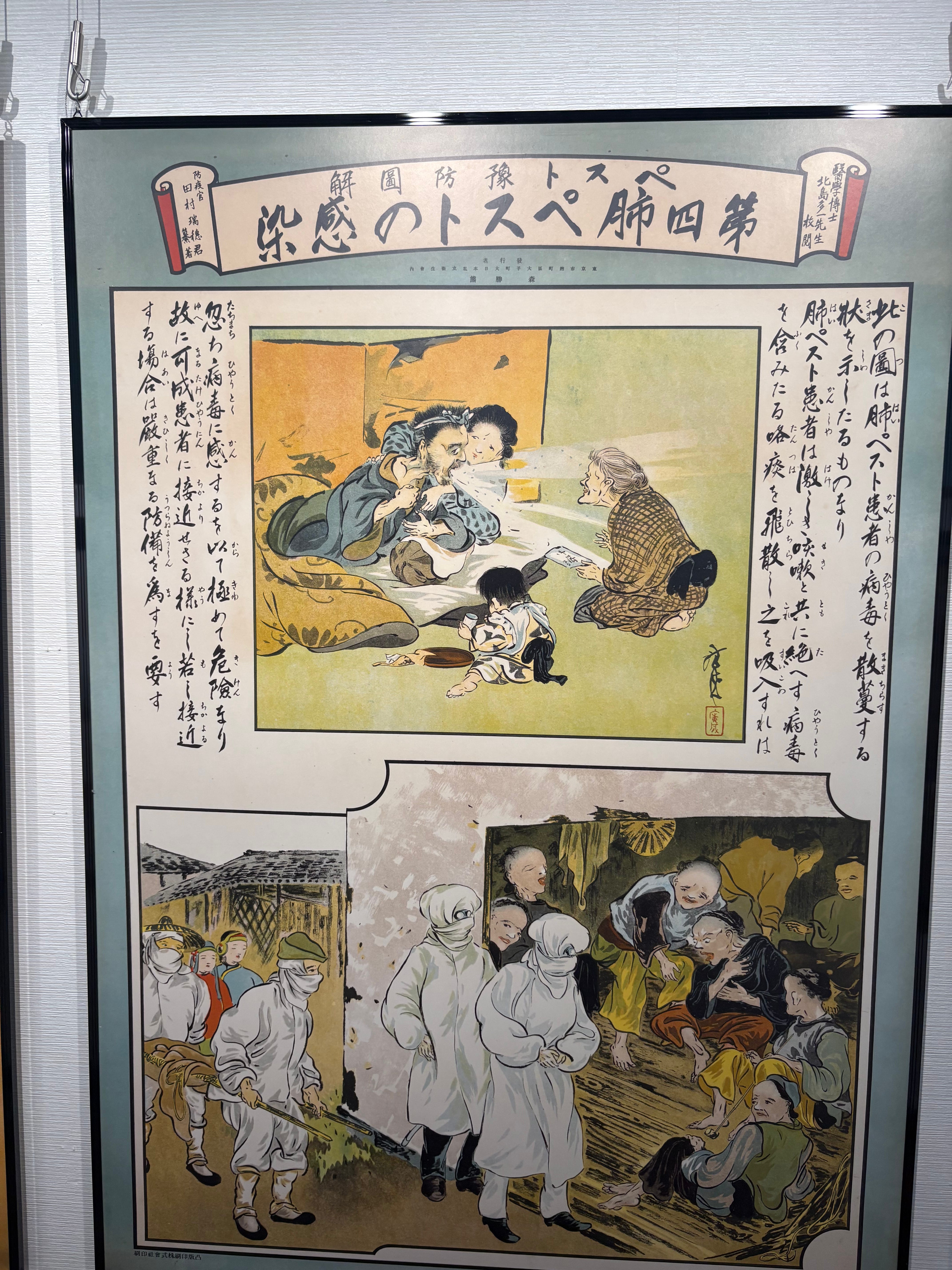
This one is about pneumonic plague, the form of plague that spreads from person to person through the air (and which apparently killed someone in Russia this month).
Top scene: a sick man coughs a visible spray straight into an elderly woman’s face. A young woman holds him up and a small child sits at his feet, so the whole household is exposed.
Bottom scene: responders in full-body white suits, hoods and face masks enter a crowded room of coughing, collapsing patients. Hmm, where have I seen that before.
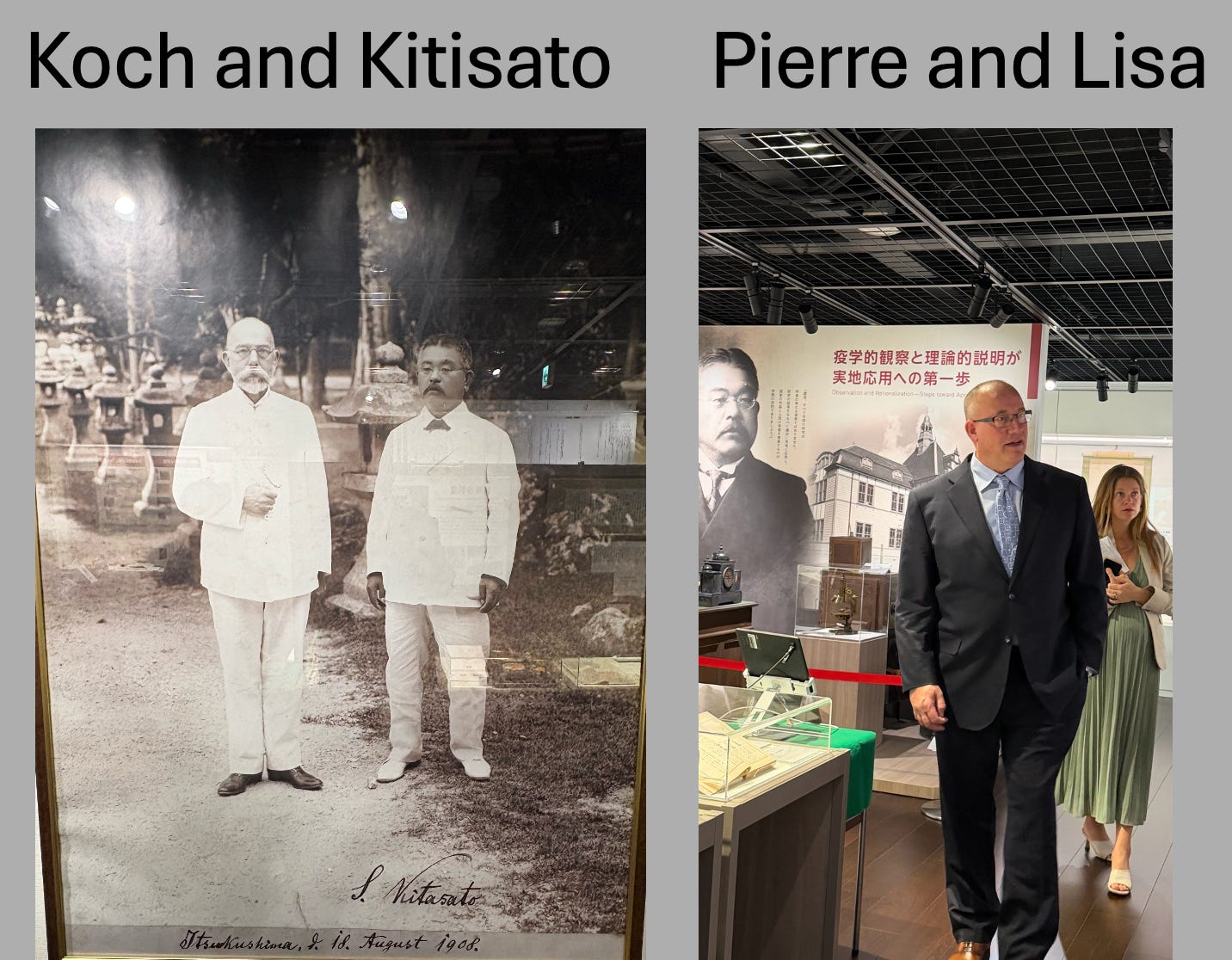
These posters document the scientific lineage Ōmura belongs to, starting with his hero, Shibasaburō Kitasato, the father of Japanese bacteriology. Kitasato grew the world’s first pure culture of the tetanus bacterium in 1889, then developed antitoxin serum therapy with Emil von Behring, work that helped found serum therapy and modern immunology. He was nominated for the very first Nobel Prize in Physiology or Medicine in 1901, but the prize went to von Behring alone.
During the 1894 Hong Kong outbreak, he identified the plague bacterium at essentially the same moment as Alexandre Yersin, whose name the organism bears today. He founded Japan’s first infectious-disease research institute in 1892 and the Kitasato Institute in 1914, and he trained the generation of researchers who built Japanese medicine. Since July 2024, his portrait has appeared on the 1,000 yen banknote (the one depicted on my gift of cookies).
A century after he founded it, his institute finally won the Nobel Prize that had eluded Kitasato himself.
One of Lisa’s and my favorite memories came as our group left the Institute for dinner. A beautiful blue Bentley was parked right outside the front doors, on a little plaza clearly not meant for cars, with a driver standing beside it. Mori told us it was Professor Ōmura’s car, and that the license plate matched his birthday. Ōmura with some swagger! Love it, just love it.
The Dinner
Dinner was at a grand Western hotel with several restaurants. We went to the traditional Japanese one, where he had reserved a private room for the whole group.
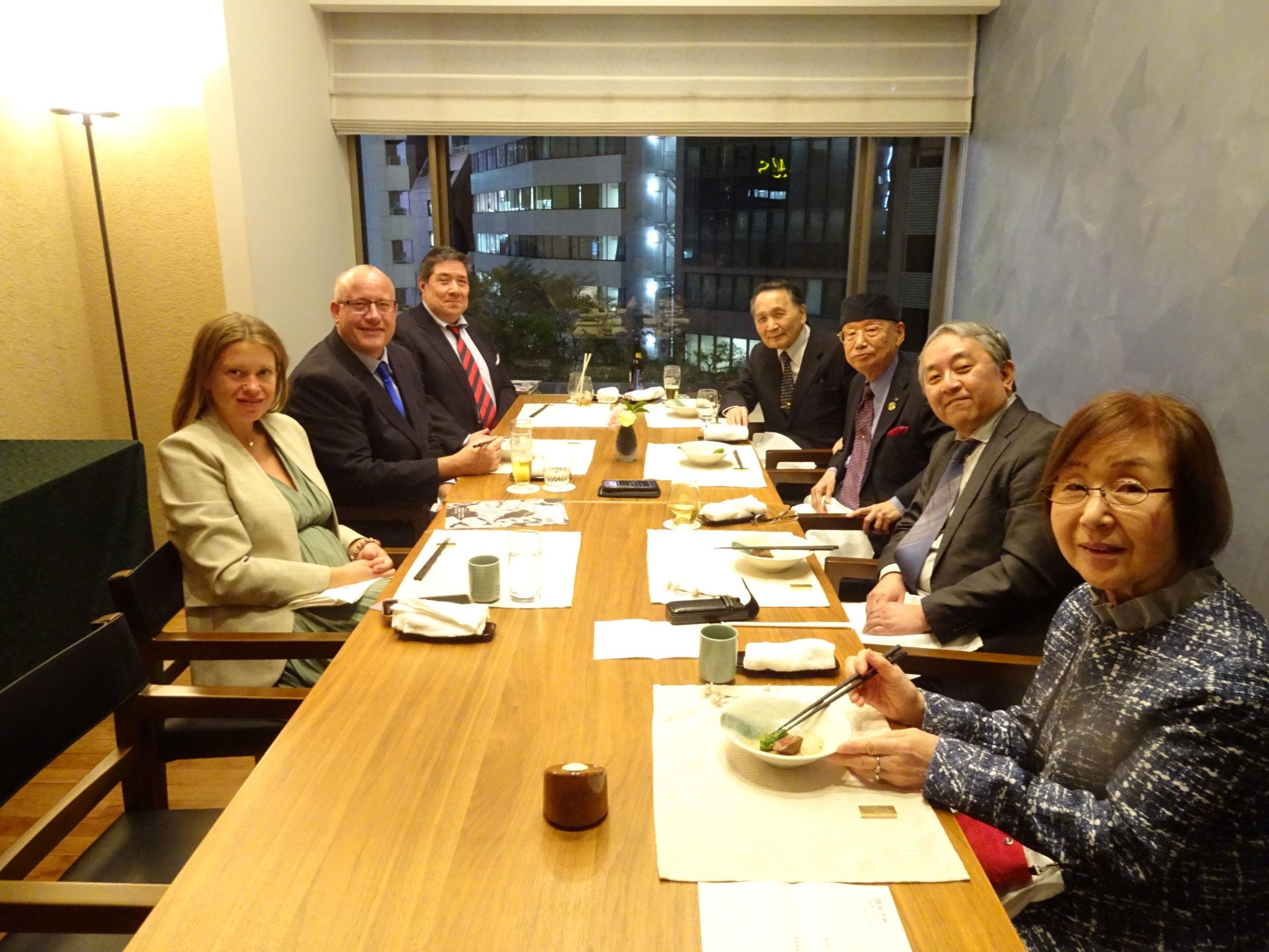

I lost count of the courses. They kept arriving, with long, unhurried stretches in between, which meant hours of real conversation: about what each of us had gone through during COVID, and about his life and career, which Lisa and I both had lots of questions about.
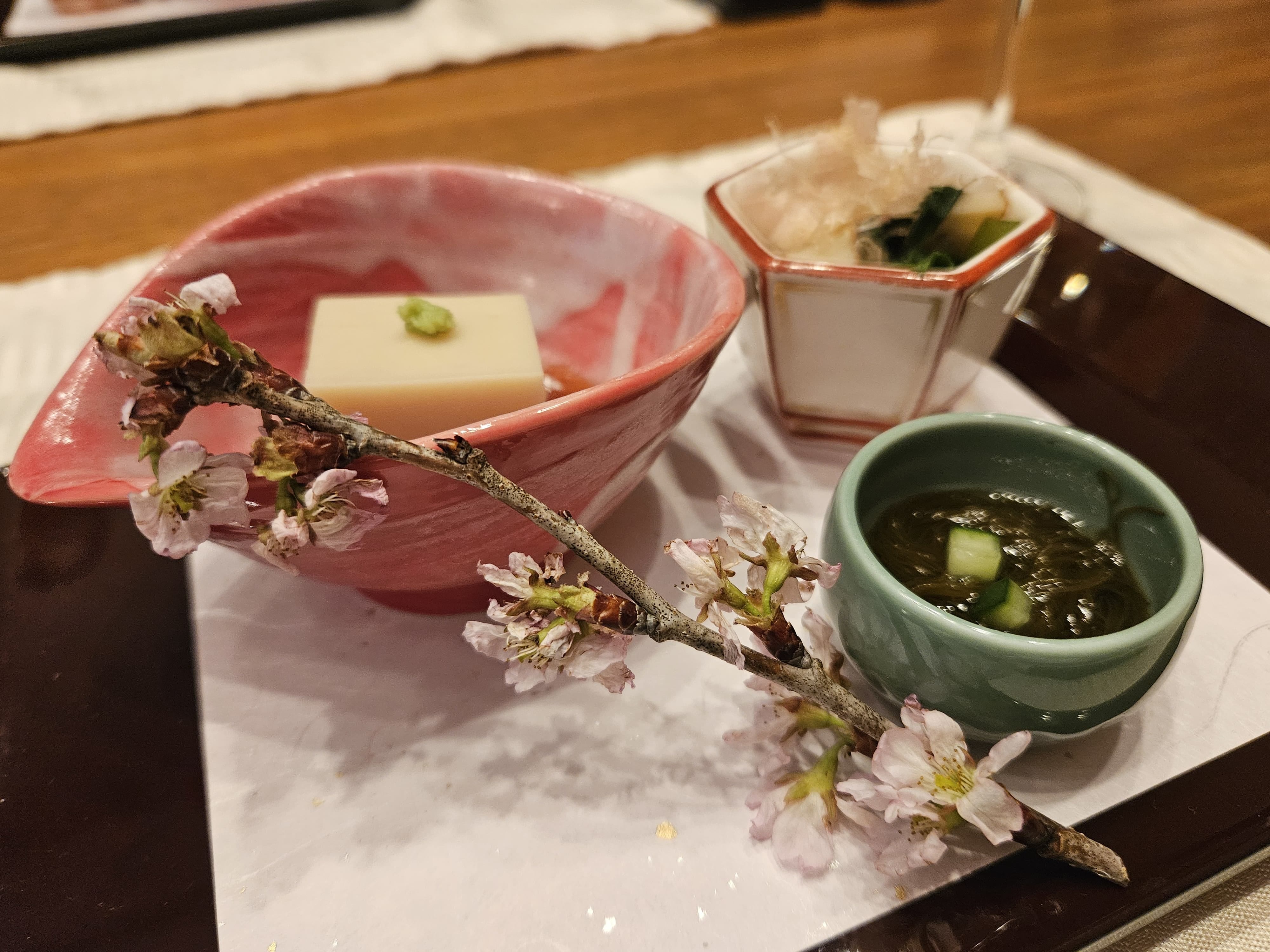
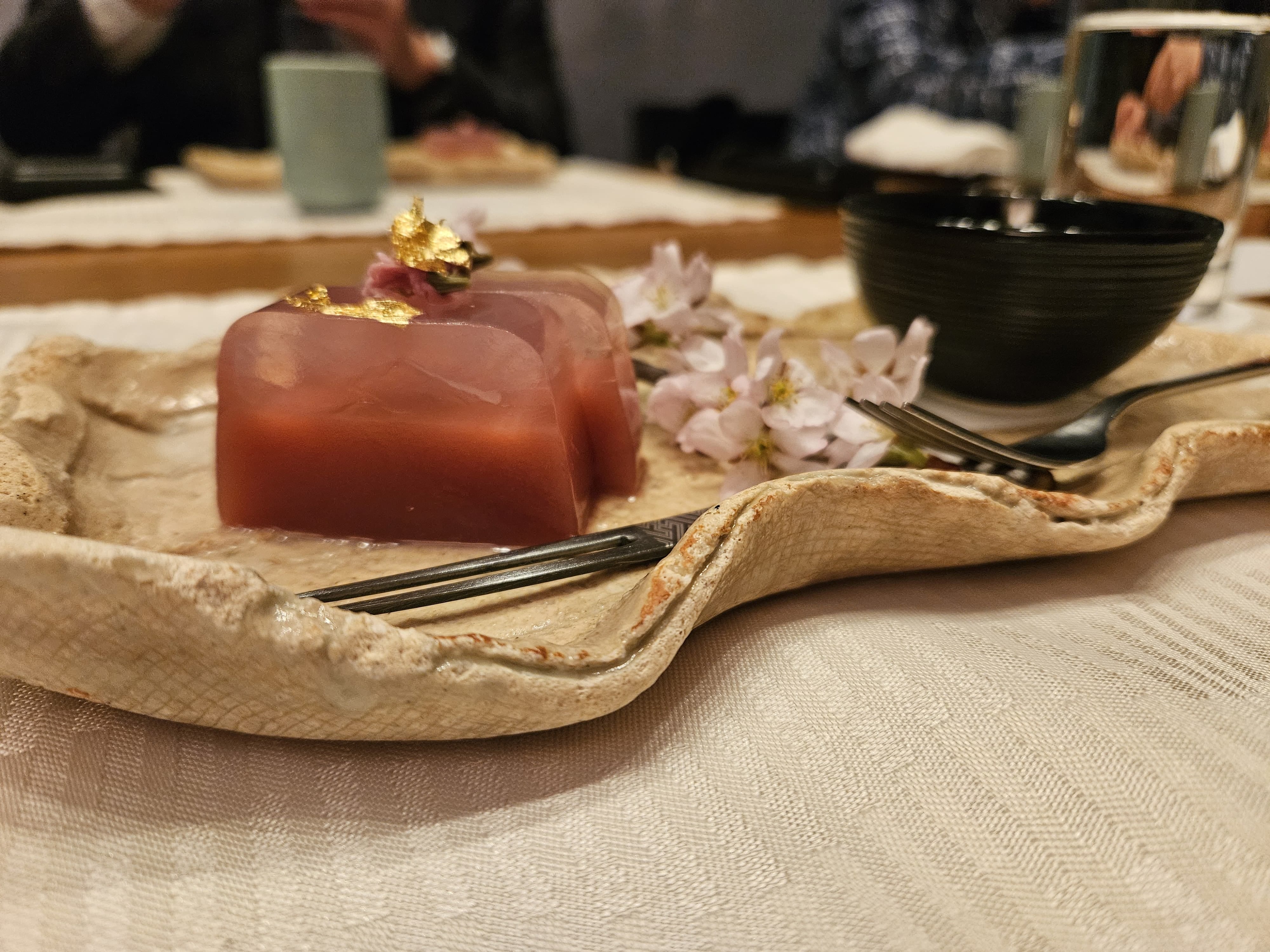
Two moments I will never forget.
The Hat
Lisa absolutely adored him, thought he was the “cutest and kindest man ever”, and even fell in love with the hat he was wearing. She asked where she could get one. He smiled and told her, warmly and with a smile, “You cannot find this hat anywhere. It was made for me. It is the only one of its kind.”
I still don’t know whether he was joking, but we believed him completely, and we thought it was wonderful.
The Golf
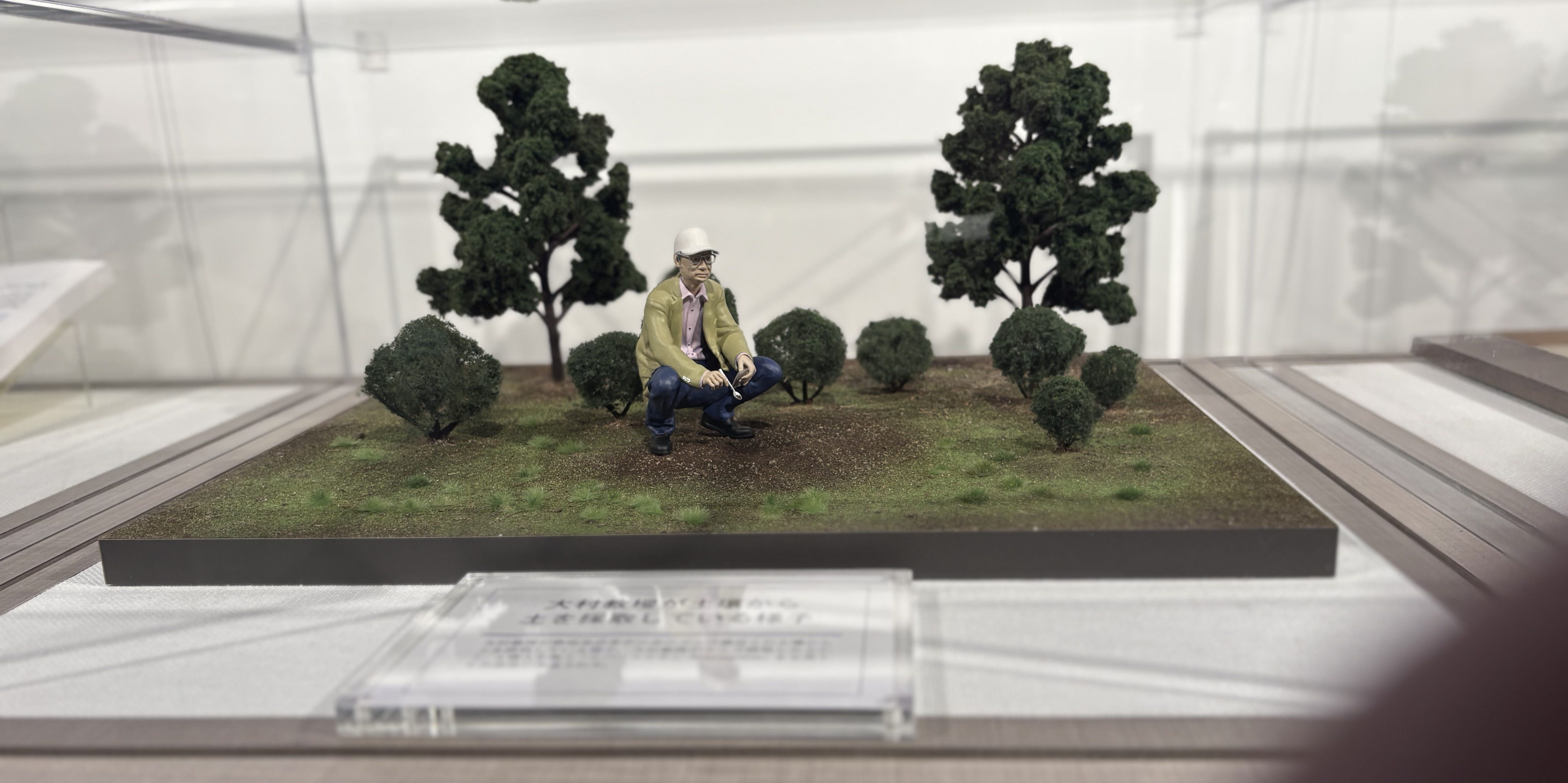
In the museum there is a small diorama behind glass: a figure crouched at the edge of a golf green, digging in the soil. That is the famous story of how ivermectin was found.
Over dinner, I learned that he had been a formidable table tennis player and a cross-country skier of some local renown. But the most amazing fact was that he had been a scratch golfer, playing until he injured his wrist a few years ago. I could hardly believe it. A vanishingly small number of people ever reach scratch, and here was a world-famous chemist who had done it alongside everything else.
So I asked the question I had been turning over since I walked past that display case: since you were such a serious golfer, and since you’ve said you sometimes collected samples while you played, did you discover ivermectin during a round of golf?
He looked at me. He smiled. And he said:
We will never know. I did not write the dates on the samples. I only kept the samples.
Which means it is entirely possible that a compound which won the Nobel Prize and has been given to billions of human beings was scraped out of the ground while its discoverer stood waiting for a playing partner to finish putting. So cool.
Another diorama showing Omura at work in the field:
The evening stayed easy and pleasant throughout. I spent a stretch of it talking with Dr. Patrick Forster, who knows the ivermectin history cold, and I learned a great deal from him about how medicine is actually practiced in Japan, and how, as everywhere else, it is tightly fenced in terms of what a doctor is permitted to do.
Of all the traveling I’ve done, the best trips have always been the ones where I knew people in the country. That is where you can immerse yourself and get a real feel for it. Otherwise, you are just a sightseer.
This was one of the finest immersions I’ve ever had: in medicine, in discovery, in Japan, with unparalleled hospitality and generosity, and in the company of a humble, kind, extraordinarily generous Nobel laureate whom I admire more than I can comfortably express.
My last memory of the night is walking out of the restaurant with Lisa as we went up to our room in the hotel. Professor Ōmura was beside me. He stopped, looked at me, and said, “How is Paul Marik doing?” From the way he asked, I could tell he knew of Paul’s suffering and was sincerely concerned for his welfare. He then grabbed my arm and said, “Please give him my deepest regards.”
Tears filled my eyes again as I walked away.
P.S. My Own Seal
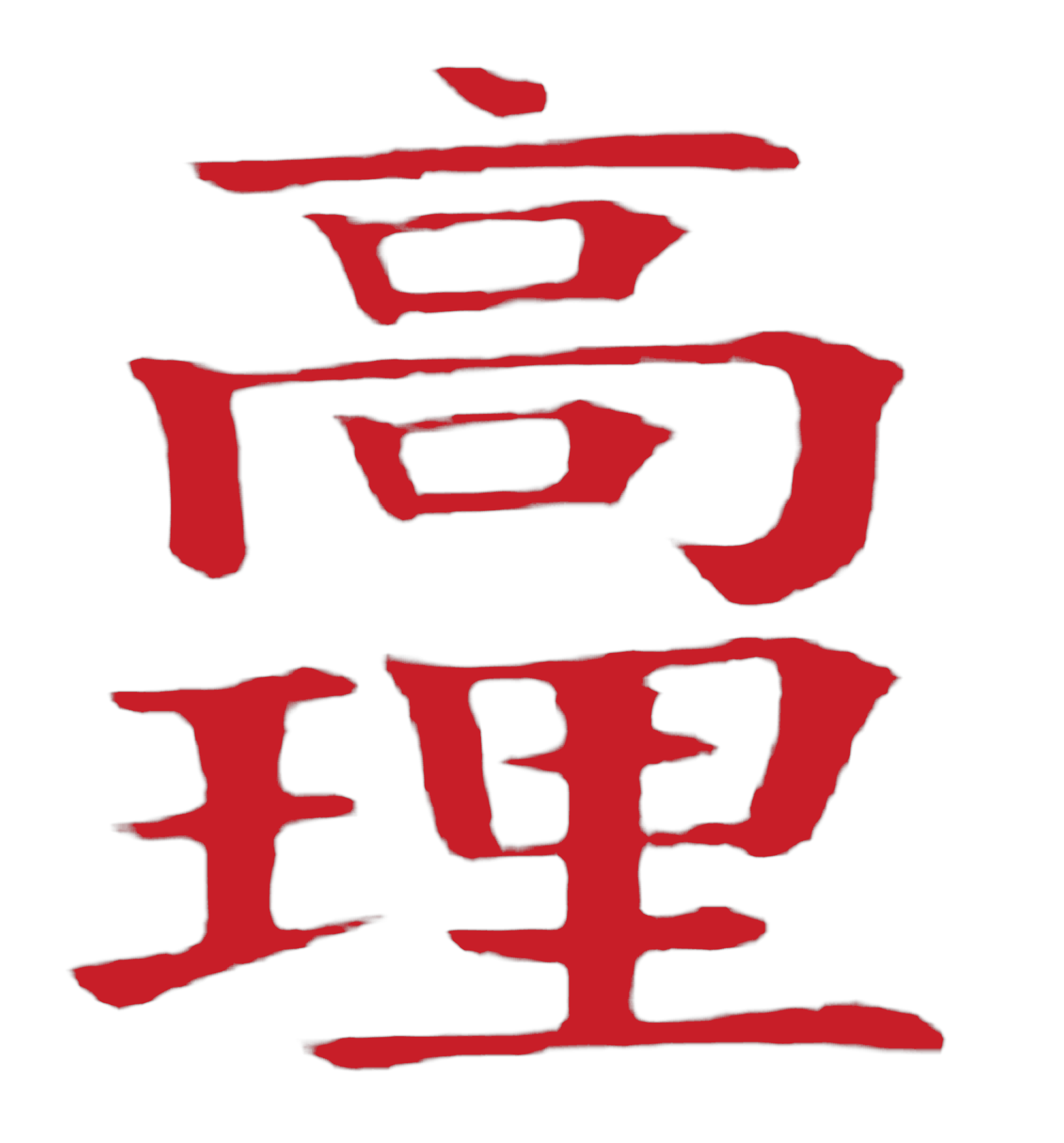
Foreigners face a puzzle the Japanese don’t: our names have no kanji. So we choose characters whose sounds match our names and, ideally, whose meanings say something about who we are. The stamp maker broke “Kory” into its Japanese sounds, k≈ç and ri, and offered me a menu of characters for each. For k≈ç: high, public, scent, craft. For ri: benefit, hometown, pear, and reason. I chose È´òÁêÜ. È´ò means high or lofty; ÁêÜ means reason, principle, the natural order of things, and it is the same character the Japanese use for science. “Higher order.” After a year spent trying to understand the order hidden in stone and water, I couldn’t imagine a better name to carry home. Check it out (I also think it looks like a man boogeying down):
Next up: my visit to Shimanishi-kaken, and what I learned from the people who knew him about the man behind Themarox.
*If you appreciate the late nights and deep dives down rabbit holes that I do, please support my work, thanks.
From the Shameless Commercialism Department:
Midway through writing my most recent books, I started a company that sells an aqueous mineral solution derived from Shimanishi’s discovery, Themarox.
Aurmina is a volcanic mineral water purifier that cleans water the way the Earth always has. Its chemistry is drawn from volcanic rock: an aqueous solution of at least twenty-nine individually measured elements, extracted — not synthesized — from a black mica documented to carry more than forty. Each is in sulfate form, which lets it dissolve and carry a charge.
Add it to a pitcher. The minerals bind the contaminants, the burden clumps and settles, and you pour off the clear water. Purity and mineral breadth almost always trade off. Unlike reverse osmosis, Aurmina keeps the minerals in — producing one of the purest and most broadly mineralized waters on Earth. Check out our new website here.

Primora Bio relies on the same mineral chemistry in the water that supports what we grow and love: plants, gardens, fish, and pets.

The Stone and Water Series
You can purchase the book series, in whole or in part, from my website ( where all books are personally stamped with my hanko) or from Amazon.

We sent some as gifts and also would like to ask the correct or best order to read this masterpiece deluxe edition trilogy of healing you’ve poured your heart and soul into - is Earth’s Living Water first, The Silent Aquifier second and the Blueprint of Life last?