

Dr. Hisatake Nojima and the First War on Mineral Medicine
Dr. Nojima’s mineral breakthrough, the patients who got better, and the disinformation machine that moved to shut it all down. *This chapter is not paywalled**

Message to my free subscribers: I have belatedly decided to make all chapters of my book, “From Volcanoes To Vitality,” available for free until the print version is for sale. Thank you for your continued interest in and support for my work. So, starting today, all subsequent chapters will no longer be paywalled. Problem: We are on Chapter 18; to go back and catch up, start at the Table of Contents. Enjoy.
Regulatory & Clinical Use Clarification
This chapter discusses historical accounts, scientific hypotheses, and personal clinical observations related to mineral solutions, including those derived from Themarox. These descriptions—whether from Dr. Hisatake Nojima, mineral-spring traditions, balneotherapy literature, or my own physician-directed protocols—are presented solely for education, historical context, and scientific exploration.
Aurmina™ is an EPA-regulated water-purification product only.
It is approved exclusively for improving drinking-water quality when used exactly as directed.
It is not approved, marketed, or represented as a treatment for any medical condition.
Any references in this chapter to:
ionic mineral chemistry
biological mechanisms
patient experiences
clinical pattern recognition
reflect physician-directed use of mineral solutions in a medical setting, not the use of Aurmina™ as sold, and not evidence of efficacy for any disease.
All clinical anecdotes in this chapter are individual experiences, presented for scientific curiosity and historical discussion. They should not be generalized or interpreted as therapeutic claims for any product.
Nothing herein is medical advice. Readers should consult qualified clinicians for personalized care.
Finally, nothing in this chapter should be read as suggesting that Aurmina™, when used as directed for water purification, will produce the kinds of clinical outcomes described in historical or contemporary case reports.
It had to happen eventually. Now that we are 25-some-odd chapters in deep into my book, “From Volcanoes To Vitality,” which explores the critical importance of minerals to the health of our bodies and our planet, the topic of Disinformation had to rear its ugly head. Fortunately, I have become somewhat of an expert at combating disinformation; in fact, as my readers well know, it is a field that I got dragged into mid-career during Covid (heck, it launched this Substack!)
Since Medical Musings’ inception, I have been documenting and describing how corporate, regulatory, academic, and media interests attempt to suppress the power of discoveries like Omura’s and Shimanishi’s, or conversely, the toxicity of gene products from Fauci and Burla.
To wit, I have written two books exposing Disinformation campaigns, my first centered on ivermectin in Covid, titled The War on Ivermectin, and the more recent one is on the decades-long globally synchronous suppression of chlorine dioxide, titled (surprisingly), The War on Chlorine Dioxide (pre-order now for delivery by early January).
Fun fact: Volcanoes to Vitality didn’t begin as a scientific odyssey; it started out of a desire to dismantle a disinformation campaign. Once I saw for myself how intriguing the clinical signals were around this mineral extract—and how well-tolerated it appeared in carefully monitored settings — I wanted to go after the people spreading disinformation regarding supposed toxicity of Shimanishi’s minerals.
So, although that little burst of righteous fury against disinformation was an initial impetus for this book, I quickly found myself in the deepest of deep dives into the importance of minerals to all of humanity. One of the pivotal moments was when I read one of Dr. Hisatake Nojima’s five books about his experiences working with a Themarox-derived solution in his practice. Only one has been translated into English (audiobook here, and PDF download here)
This chapter tells Nojima’s story: his origin story with minerals, his first patients, the development of his protocol, the early cancer recoveries, the dermatologic successes, the metabolic transformations, the regulatory crackdown, and the coordinated disinformation campaign that followed.
It is also the story of pattern recognition—mine, and yours. Because as you read the cases, compare them to balneotherapy outcomes, hot spring recoveries, Quinton’s seawater medicine, and the more modern ionic-mineral case series, you will see what I saw: a coherent biological arc unfolding across continents and centuries.
If Shimanishi discovered the mineral code, Nojima discovered what happens when you reintroduce it into the human body. And the institutions that should have been curious responded instead with fear, hostility, and suppression.
So, let’s review the career, discoveries, and attacks on Dr. Hisatake Nojima, the pioneer of Themarox-derived mineral therapy for humans. In tomorrow’s chapter, we will review the later Disinformation attack in the U.S, focused on the product called Adya Clarity (a forerunner of Aurmina that is still available).
Both campaigns aimed to undermine trust in the mineral extract and in those working to bring it to market. Now, if you recall “The Kory Scale,” you will soon discover that Themarox products received very high scores in both countries.
Dr. Hisatake Nojima - The Physician Who Rediscovered What Medicine Forgot
Long before I ever encountered Themarox or the mineral-science tradition behind Shimanishi’s work, a Japanese physician—quiet, meticulous, and largely unknown in the West—had already walked this path. His name was Dr. Hisatake Nojima, and his journey remains, to me at least, one of the most striking modern “rediscoveries” of the mineral foundation of life and health.
His book repeatedly draws attention to the vanishing nutritional bedrock of health and a forgotten biological truth: that without minerals, life itself cannot self-regulate or reproduce.
What makes his story so remarkable is that he did not begin with mysticism, folklore, or even clinical curiosity. His turning point emerged inside a laboratory.
Nojima’s discovery came during his cancer-drug research, when he realized modern medical science had been studying only organic substances while completely ignoring inorganic ones. This spark of insight led him to search for mineral-based therapeutic agents.
“All researches had been targeting organic matters… while completely ignoring inorganic matter such as metals, salts, and water.”
His statement was not just a “musing” (as yours truly has a penchant for)—it was a scientific indictment (as yours truly also has a penchant for). Nojima felt that modern medicine had been studying the wrong tier of biochemistry. It was obsessing over organic molecules while overlooking the inorganic substrates that enable organic life to function at all.
That moment changed him. He began asking questions no one in his field was asking: Where are the minerals, the ions, the chemistry of charge? He knew that if life ran on minerals, then medicine could not possibly understand illness—let alone treat it—without them.
He also noted, over and over, that ICP-MS testing (the advanced technology for measuring trace elements that I have mentioned previously), had only recently enabled research into the ultra-trace and rare-earth elements, and he called for its deployment in measuring their levels in our food, soil, water.. and bodies. He is the first clinician I know of to call for greater use of ICP-MS in Medicine repeatedly.
Anyway, driven by this insight, Nojima began searching for a mineral preparation capable of restoring the inorganic foundation of physiology. During his search, he encountered a solution containing minerals extracted from rock, kept in a stable, fully ionized state—something he had never seen in clinical practice (at the risk of stating the obvious - it was Shimanishi’s “Themarox”). Most physicians would have overlooked it, assuming it was unimportant.
Instead, he diluted it heavily and renamed it “Super Mineral Water” (very Japanese, no?).
“During my research, I came upon a solution in which minerals extracted from ore were kept ionized. After naming the solution Super Mineral Water, I experimented… testing it on curing cancer.”
He then studied it, analyzed it, and began testing it on himself to confirm its safety. The sequence of his career with minerals echoed other medical advances throughout history:
Discover a potential new therapy
Study its chemistry
Test safety personally
Begin using it in patients who have no remaining options
The First Patients: A Pattern Emerges
Once he was convinced the solution was safe, he tested its topical and mucosal safety before giving an ionized mineral solution orally to patients. He wrote:
“worked safely on mucosal surfaces, its effectiveness against atopic dermatitis was impressive… itching stopped…the skin returned to normal…”
Disclaimer:
The following patient descriptions—including dermatologic cases, metabolic responses, gastrointestinal findings, or cancer-related anecdotes—reflect individual outcomes occurring under direct physician supervision using physician-designed protocols that are separate from and unrelated to Aurmina’s EPA-approved use.
These accounts are shared only to document patterns that clinicians (including historical figures such as Dr. Nojima) have observed when working with mineral-based solutions in medical settings.
They do not imply that any consumer product—including Aurmina™, when used as directed for water purification—can diagnose, treat, cure, or prevent any disease.
These observations are hypothesis-generating only, not controlled clinical evidence.
Here, I'm going to interject my personal clinical experience treating my wife with a liquid Themarox-derived mineral solution for an “acute” skin condition she developed recently.
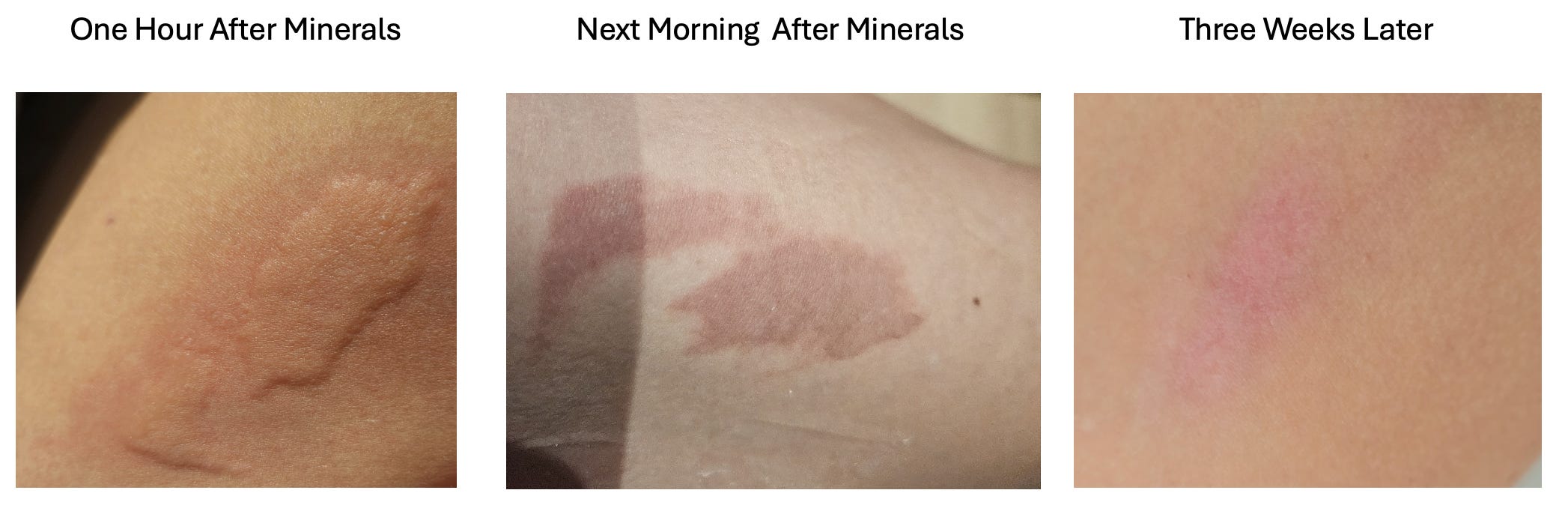
Six weeks ago, as we were getting dressed at our hotel before attending my godson’s wedding, Lisa burned her thigh really badly while trying to steam her dress (it may help the reader to know that Lisa was wearing the dress at the time). I suddenly heard her screaming, and as I ran over to her, she was looking at her thigh, where her skin started to bubble within seconds (cooked). Clearly, it was heading towards a 2nd- to 3rd-degree burn, measuring about 3-4 inches long and 2-3 inches wide. Uh oh.
Fortunately, 2 days prior, I had received a mini-lecture from one of the only experienced Themarox-derived solution practitioners in the U.S who had told me “it shows unusual effectiveness with various skin conditions - laceration, abrasion, sunburn, infection, etc.. So, Lisa and I drenched the corner of a towel with the solution and applied it (she was in ridiculous amounts of pain, and she is not a snowflake - very tough woman actually).
Within an hour, Lisa reported that her pain had markedly decreased, and over the next days the burn appearance changed rapidly—an outcome that surprised both of us. First, the large blister with fluid had started to recede (first photo on left). The next morning (middle photo), the wound was dry and, although severely discolored, flat. It remained painless, and within 3 weeks, only a light colored blemish remained (I know that kind of burn - I would have been wincing in pain for at least 4-5 days and would have been left with a nasty scar to show for it).
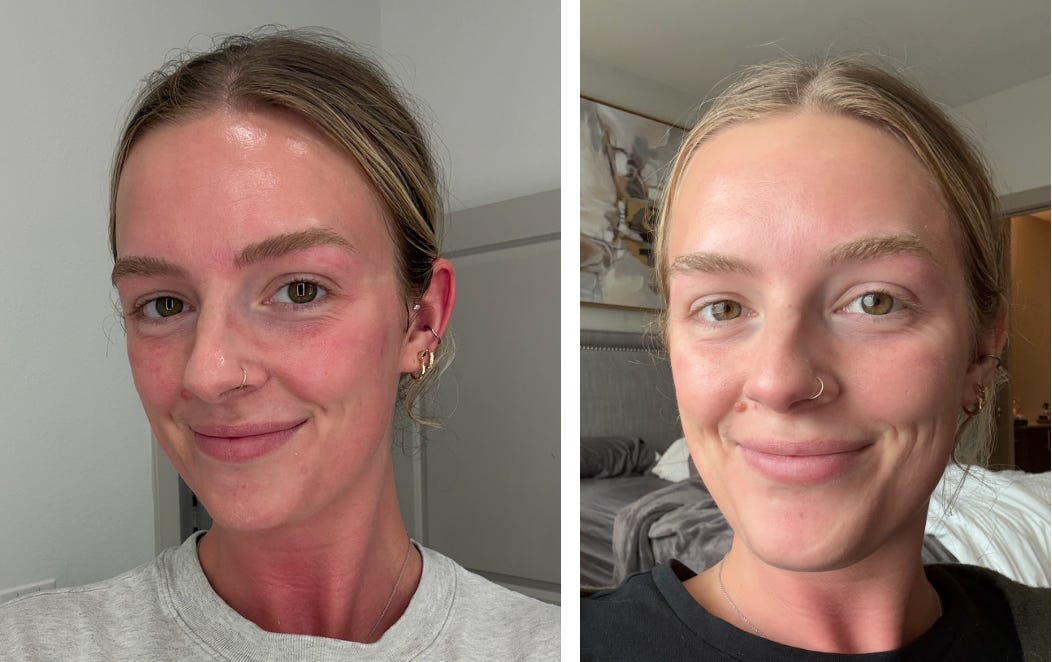
Then, oddly, two days ago, I received another report of a “wedding-related trauma” (seems a pandemic may be breaking out). Below is Kara, our Leading Edge Clinic charge nurse, who sheepishly texted me to share that she had visited a tanning parlor the night before in preparation for her wedding in 10 days. Apparently, she had stayed in too long and ended up burning her face and neck, as shown in the left image below. She then applied mineral-soaked gauze to her face and neck three times over the next few hours, and voila, the following morning, noticeable changes were observed, on the right:
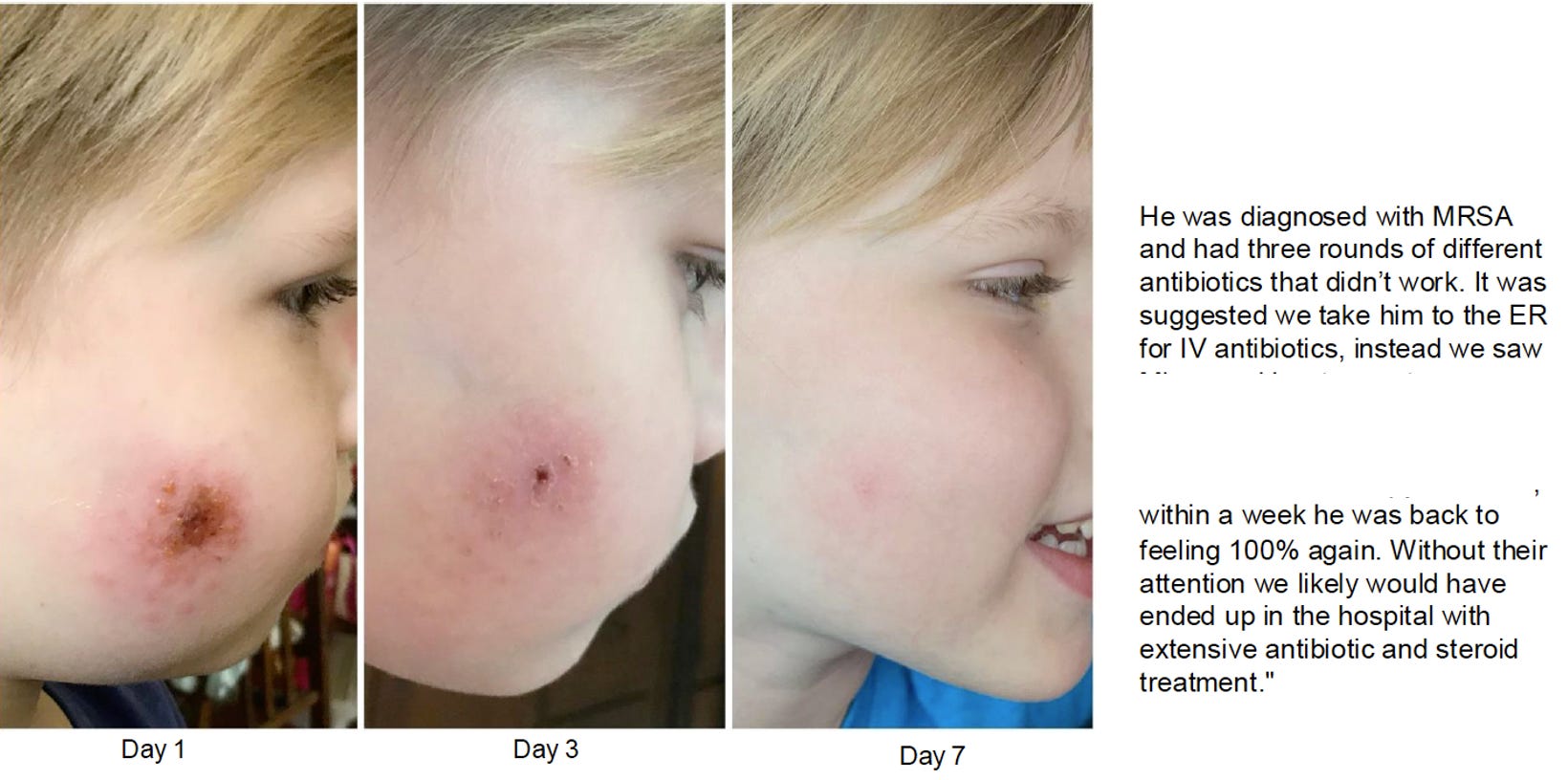
Want another skin case? This was unrelated to any wedding activity, though. The practitioner described what had been diagnosed as a severe facial lesion:
Now, before we go back to Nojima’s story, I want to share two more “before and after” mineral therapy cases, documented in photos. I can think of no other example in my entire life of the power behind the phrase “a picture is worth a thousand words” than the ones below - behold the “vitality” that a therapeutic intervention, which included Shimanishi’s mineral extract, can deliver:
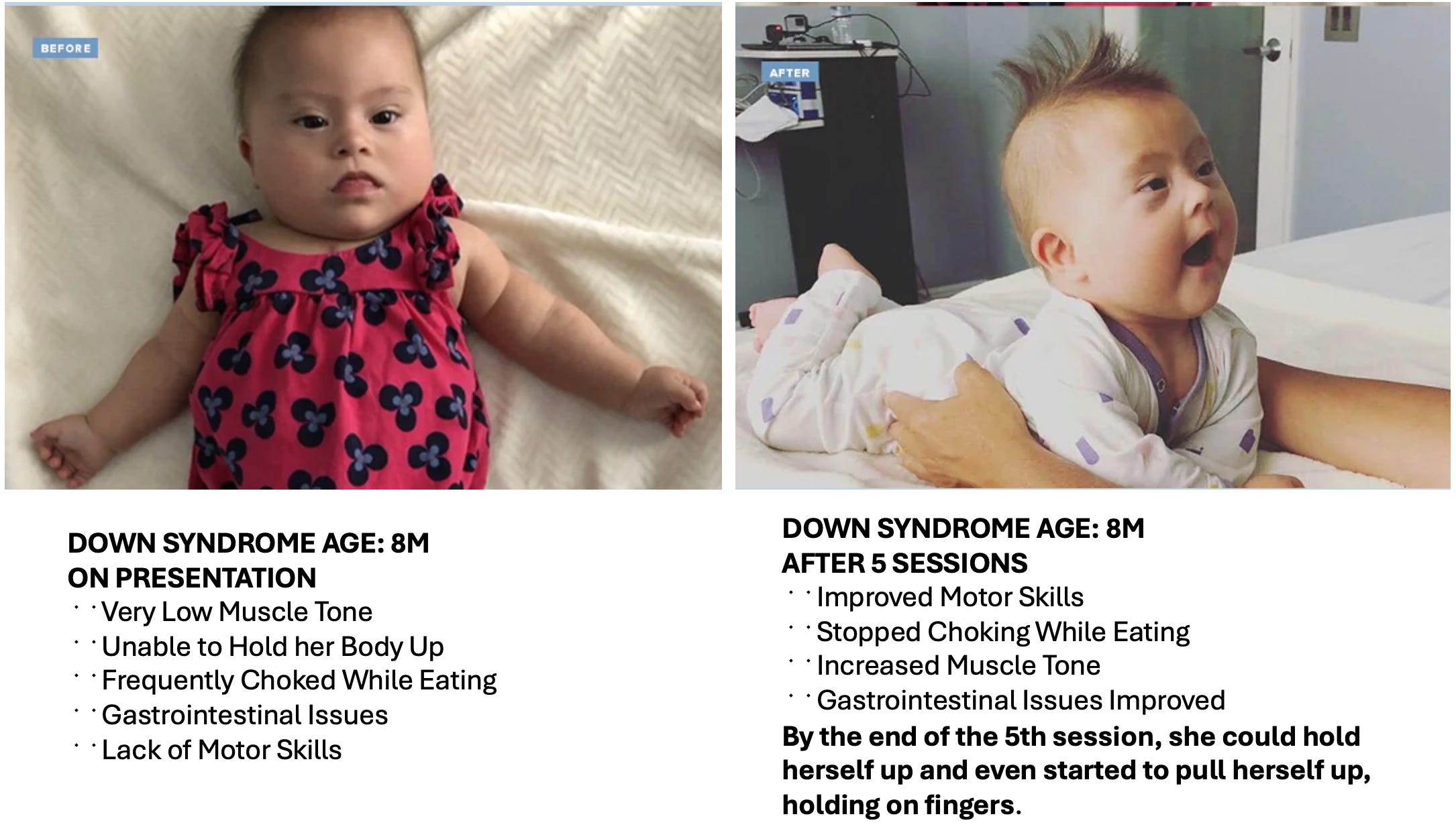
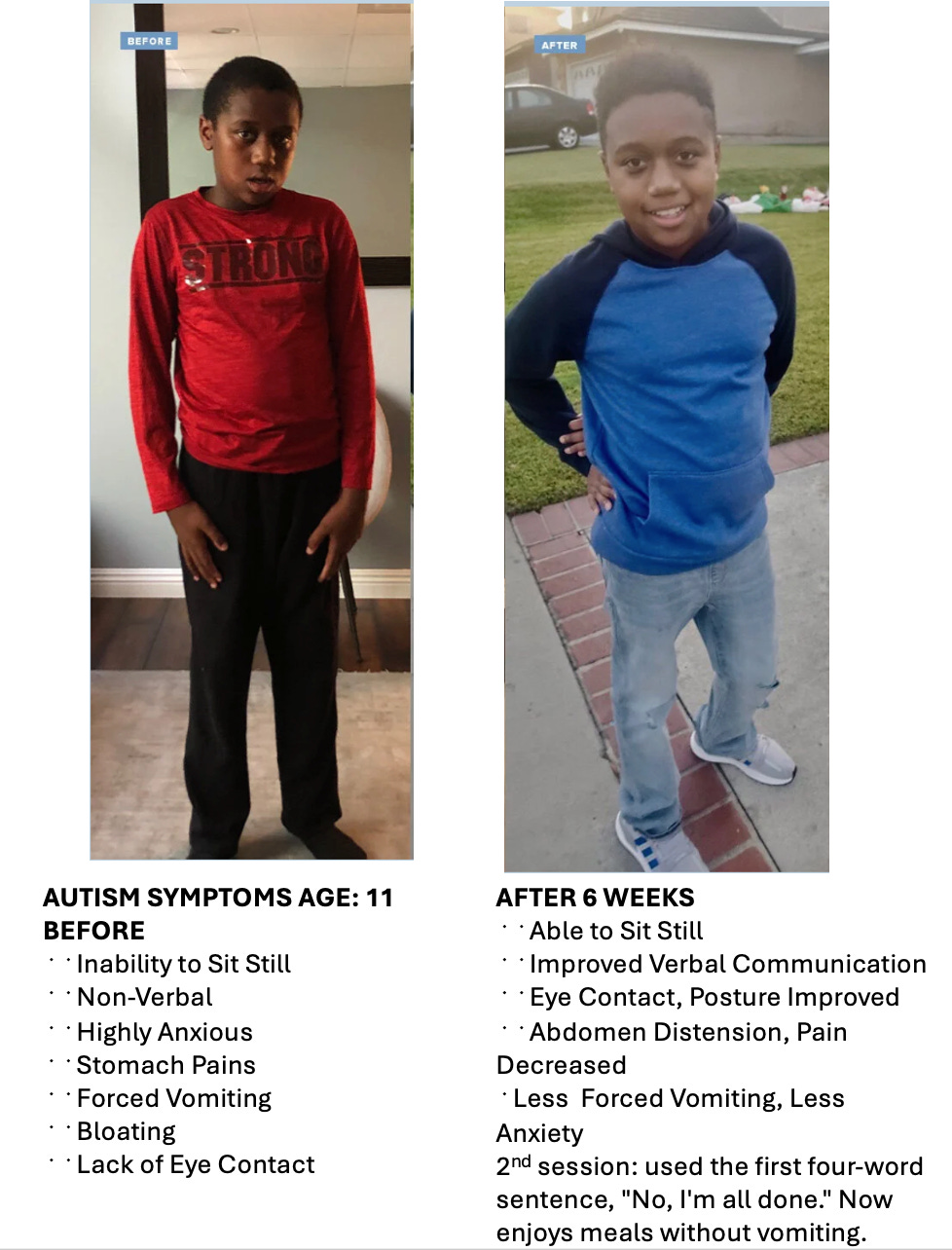
The Case of the Town Mayor With Gastric Cancer
One of the most significant early treatment experiences in Dr. Hisatake Nojima’s mineral-therapy practice involved the town mayor. This respected civic leader had been diagnosed with advanced gastric cancer. His condition was deteriorating, and despite undergoing the standard treatments available at the time, his strength was declining, and his prognosis remained grim.
According to Nojima’s account, the mayor’s family approached him in desperation. They had heard that Dr. Nojima was experimenting with a new ionized mineral solution—later named Super Mineral Water (SMW)—and pleaded with him to try it. Nojima, still in the exploratory stage of understanding the therapy’s potential, adjusted the mineral concentration and began administering a high-dose oral regimen.
What followed became one of the anchor points of his emerging protocol.
First, know that the mayor was diagnosed by hospital physicians with a malignant gastric tumor. Surgery was planned, and, as with all such cases, a pre-operative endoscopy was scheduled to confirm the size and location of the tumor before resection.
Well before the planned surgery, the mayor began drinking Super Mineral Water (SMW) under Nojima’s guidance. At the risk of foreshadowing, based on numerous subsequent gastric cancer cases, Nojima noted that gastric cancers—because they are directly bathed in the mineral solution twice a day—often respond unusually fast.
Within days, the mayor’s appetite returned, his pain diminished, and he began to regain physical strength. Over the ensuing weeks, he experienced further recovery: improved energy, better digestion, and a level of vitality none of the physicians had expected.
When the surgeons performed the pre-surgical endoscopy, the previously documented tumor was no longer visible. The hospital team was reportedly confused and unable to explain the finding
Nojima presented this case as one of his strongest early examples, suggesting that SMW might be doing more than relieving symptoms.
In the mayor’s case, they reported no visible ulcer, mass, or abnormal tissue on endoscopy at that time, and clinically, he was considered recovered. Nojima presented this case as one of the strongest early confirmations that SMW was not merely reducing symptoms but reversing pathologic findings.
Nojima then began offering it to patients with advanced cancer—individuals who had exhausted surgery, chemotherapy, or radiation. From the first patient he treated, what he later saw was unlike anything in his clinical training:
Pain subsided.
Strength returned.
Nojima documented cases where imaging or clinical examinations suggested reduced tumor burden or halted progression, as reported in his notes.
He described several cases in which patients with stubborn infections experienced unexpected improvement during his mineral-based protocol.
Metabolism stabilized
Chemotherapy was better tolerated
He observed symptom improvements in various inflammatory or autoimmune conditions, though these were anecdotal and not part of controlled trials..
These results were not isolated anecdotes; they became patterns—predictable, repeatable, and visible. Over time, Nojima began to understand what he was observing:
The minerals were not “treating” cancer or diabetes or Crohn’s disease.
They were restoring the body’s mineral architecture, and the body was doing the healing.
Although I have been using his protocol in my cancer practice for only the past 6 weeks, I observed a similar early response to that which Nojima described above. Note that what follows are early, uncontrolled observations in a single practice—not evidence that any specific mineral product treats cancer.
One of my patients, a 66-year-old woman with advanced, metastatic colon cancer, returned home after a prolonged hospital stay due to complications after a colon resection. Note she is not on any “standard” cancer treatment (too sick to treat as per her oncologist). A message from her husband in my portal:
“Interesting visit with Janet’s oncologist on Friday. He mentioned more than once that Janet looked better than she had on the last couple of visits. I also thought she looked somewhat healthier lately. Maybe it’s due to the supplements and, of course, the minerals. Her labs are still abnormal, but some of them are starting to improve.
I also noticed that Janet is starting to move a little easier. She is also eating better and not as nauseated as she was just a week ago.
More recent update: Janet is doing well at home. She is using mineral supplementation twice daily and is tolerating it well. Janet’s color is better, and she has more strength and endurance. She has qualified for PT again and is doing well in PT. The output in ostomy is firmer, and I feel she is losing less fluid.”
For Nojima, the mayor’s case became a turning point. He began to believe that the mineral solution was not acting directly on cancer, but rather re-establishing the body’s internal balance—especially immune and metabolic function—allowing the body to recover on its own.
The mayor’s dramatic improvement pushed Nojima to study:
mineral deficiency patterns in modern populations
the mechanisms linking trace minerals to immune regulation and cellular order
standardized dosing for future patients
The mayor’s case was one of the first to convince him that “mineral deficiency” was a foundational driver of modern disease, and that restoring ionic minerals could awaken dormant healing capacity even in severe illness.
What Nojima Actually Claimed
Although Dr. Hisatake Nojima reported many striking recoveries—some sudden, some gradual, some complete—he never claimed to cure every cancer patient he treated.
His writings are clear: the mineral solution did not “kill cancer,” nor did it guarantee remission. Instead, he argued that restoring ionic minerals reactivated the body’s own regulatory and immune systems, allowing many patients to stabilize, shrink tumors, regain strength, or reverse symptoms that had not responded to conventional oncology. Some patients recovered fully, others partially, and some—especially those who were profoundly weakened—did not improve.
What Nojima insisted on was not universal success, but universal relevance: that mineral deficiency undermines physiology across all cancers, and that correcting this deficiency “is effective against all types of cancer” in principle—not in outcome. His conclusions were based on repeatable patterns, not perfection; on restored biologic order, not guaranteed cure; and on the consistent observation that when the mineral architecture of the body is rebuilt, the body often regains a surprising, sometimes extraordinary, capacity to heal.
Disclaimer: This section discusses historical case reports and scientific hypotheses only; it should not be construed as medical advice or claims of efficacy.
Author’s Note:
Nojima’s work should be understood as a historical and scientific exploration—not a set of therapeutic promises. His cases were real, his documentation meticulous, and his insights profound, but they were not controlled clinical trials. The purpose of including them here is not to claim cures, but to examine a forgotten line of mineral research that may hold scientific value. His observations, like those of early physicians throughout history, are best viewed as hypothesis-generating—signals worth studying, not conclusions unto themselves.
Why Dr. Hisatake Nojima Then Walked Away From the System
Know that Dr. Nojima was a respected, fully conventional Japanese physician. He rose through the national medical system, serving first as Director of the Sawara Health Center in Chiba Prefecture and later as head of a hospital in the same region (at the time he “discovered” mineral therapy). To me, his position at the time reflected both institutional trust and professional achievement.
Yet what Nojima then witnessed inside that institution shook his faith in mainstream medicine. You see, during his years in clinical work and cancer-drug research, he had already become troubled by doctors obsessively studying organic molecules while ignoring the inorganic chemistry—minerals, salts, electrical gradients—that life depends on. Then, as he began exploring ionized mineral solutions and witnessing dramatic improvements in patients, he discovered something far more disturbing: his hospital had no interest in observing, questioning, or even acknowledging such recoveries.
In his own account, the hospital that appointed him as head did not permit the daily monitoring, pattern recognition, and iterative care he considered essential to practicing real medicine. Physicians there, many fresh from medical school, adhered rigidly to pharmaceutical protocols even when patients were not improving. Innovative treatment, individualized observation, or deviation from approved pathways were not simply discouraged—they were impossible.
Nojima put it starkly:
His role as hospital head was “powerless… just an adornment to the establishment.”
He lasted four months. Unable to tolerate a system where curiosity was forbidden, outcomes ignored, and healing constrained by bureaucracy, Dr. Nojima resigned.
He wrote that remaining would have been “pointless,” because the hospital’s culture made genuine patient-centered medicine impossible. It was this departure—this moral and scientific rupture—that freed him to pursue the mineral-based discoveries that would define his life’s work.
In stepping outside the system, Nojima didn’t abandon medicine. He abandoned a system that had abandoned medicine.
Author’s Note — Two Physicians, One Breaking Point
I want to tell you why the story of Dr. Hisatake Nojima hits so close to home for me. Much of what he faced in Japan—rigid hierarchy, enforced therapeutic blindness, and institutional hostility to anything outside the pharmaceutical algorithm—I lived through in the United States.
Like Nojima, I was not a fringe doctor working on the margins. I was a highly respected, well-published ICU specialist, about-to-be-promoted professor of medicine, researcher, and a recognized national leader in sub-specialties of critical care. I had spent my career practicing—and teaching—evidence-based medicine at the highest levels. And yet, when COVID hit the University of Wisconsin, everything I believed about my profession collided head-on with a system that had forgotten how to practice medicine.
Like Nojima (but faster), I resigned within two months.
Why? Because the hospital insisted on what they called “supportive care only,” which, in practice, meant doing nothing but water, food, oxygen, pain control, rest. They refused to treat early, refused to use repurposed drugs, refused to question why their “supportive care” was failing so quickly and brazenly.
I stupidly thought that we were supposed to be in the “practice of medicine” and should be trying out therapies. Instead, we were in the “paralysis of medicine,” sitting and waiting for a massively funded, RCT-supported, Fauci-approved pharmaceutical “solution” while patients deteriorated in front of us.
I was not only the clinical leader at The University of Wisconsin (Chief of Cthe Critical Care Service) and the Medical Director of the main med-surg ICU (The Trauma and Life Support Center), but I was also asked to serve as a statewide clinical leader. I was in charge of selecting and procuring emergency ventilators for the state in case of need, and I was being invited semi-regularly to lecture at the weekly statewide radio updates, sharing insights into the disease and patient care.
Yet I was being forced to work under a doctrine that forbade clinical judgment, innovation, and even compassion. Remaining in that role would have been a betrayal of everything I knew medicine was supposed to be. So I resigned and went to my old ICU in NYC to help out with the massive surge of patients they were drowning in.
So when I read Nojima’s story—the hospital leadership position he held, the suffocating constraints of bureaucratic medicine, his insistence on observing patients rather than obeying dogma, and ultimately his decision to walk away—it felt like reading a parallel life in a different country and a different era.
His resignation was not a rebellion. Mine wasn’t either. Both were simply what happens when a physician realizes the system had stopped practicing medicine.
Refining the Protocol: Clinical, Iterative, and Human
Once he broke free of “the system,” he—like me—entered the only arena where real medicine still exists: private practice. That’s where he could actually think, observe, and adjust—something bureaucratic medicine has all but outlawed. And it’s precisely how Scott and I run the Leading Edge Clinic today. We refine protocols the way physicians did for centuries, not by obeying pharmaceutical playbooks, but by listening to patients, tracking real-world responses, and improving treatments based on what actually works.
Similarly, he adjusted the concentration based on functional recovery, disease severity, tolerance, and metabolic response. He treated what he saw, not what he was told to see. This is why his protocol worked: it emerged organically from the clinic rather than from theory (My man!).
Beyond Cancer: A Unifying Mineral Explanation for Modern Illness
Once the cancer results accumulated, Nojima extended the therapy to other chronic illnesses like diabetes, circulatory disorders, immune dysfunction, Crohn’s disease, severe dermatitis, chronic infections, burns and trauma, metabolic and autonomic imbalance (and even hypertension)
The response was consistent across diseases, ages, and severity. He eventually arrived at an overarching principle:
“Mineral deficiency plays a foundational role in many modern chronic illnesses.”
To Nojima, this was not an overstatement; it was the only theory that accounted for everything he observed. He repeatedly stated in his book that mineral therapy did not “cure disease.” It restored the intracellular and extracellular mineral logic that enables healing. They form a coherent biological arc:
Restore the mineral gradient
The body regains redox balance
The immune system reorganizes
Inflammation drops
Metabolism normalizes
Tissues repair
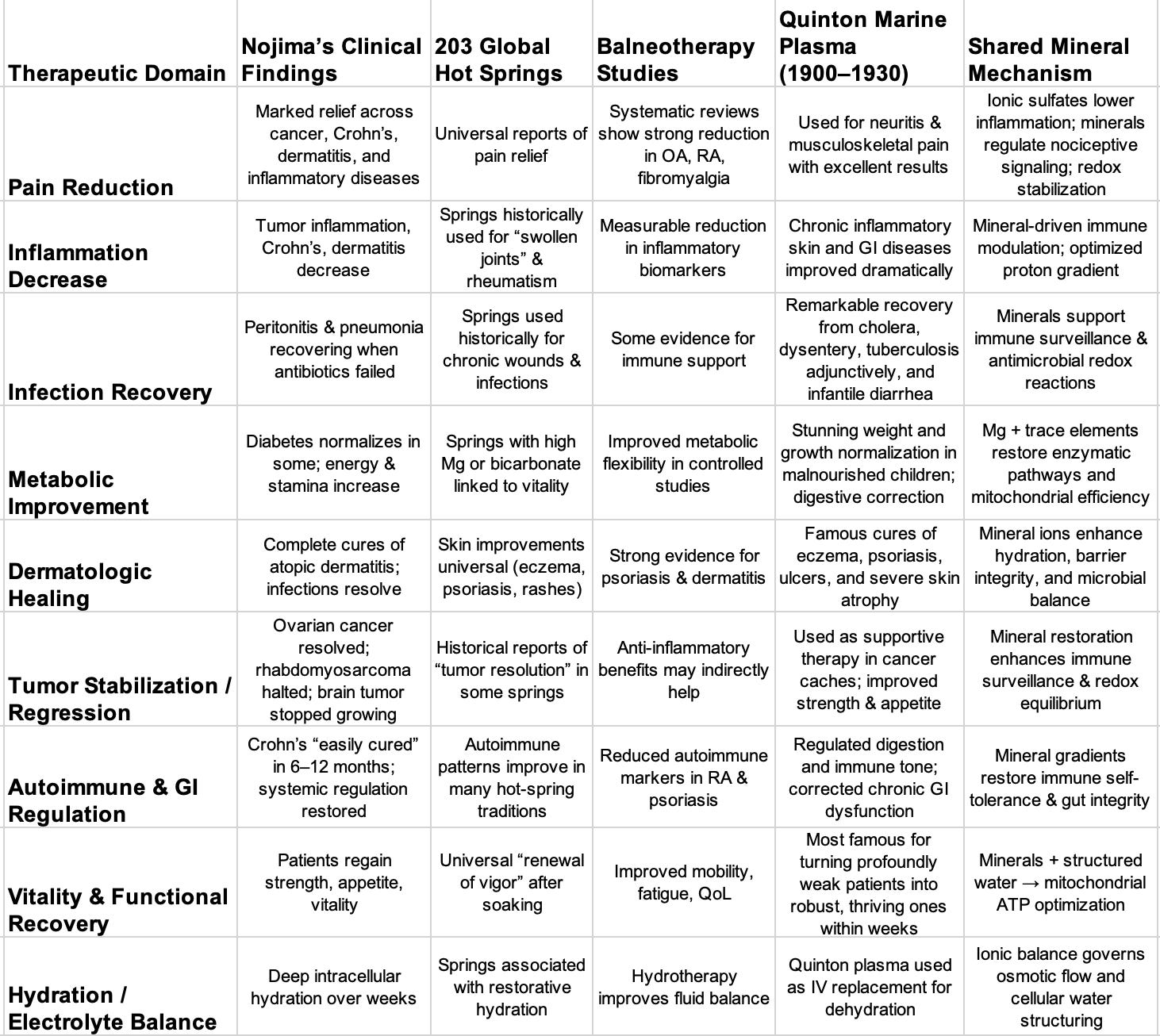
Reading Nojima’s book flipped a switch for me. I felt the accumulating observations warranted further investigation even before large-scale trials to confirm what he saw (and I am now seeing) in the clinic.
I used something far more reliable: the totality of the evidence. If the mechanism makes sense, the biochemistry checks out, the safety is solid, and real-world data starts producing the same signals over and over again—from different patients, different contexts, and, most importantly, from different clinicians (and countries) —that’s enough. That’s medicine. And when all those lights turn green, I integrate it into practice. Period. To wit:
The Significance of His Discovery
Dr. Hisatake Nojima rediscovered—through scientific curiosity, clinical courage, and mineral logic—the same truth this book has uncovered from multiple angles:
When the mineral code is restored, life reorganizes toward health. Recall the title of this book, “From Volcanoes to Vitality.”
His protocol stands as one of the clearest modern demonstrations that chronic illness arises less from a lack of pharmaceuticals than from the erosion of the mineral architecture on which life depends.
Nojima arrived at this truth not through theory or ideology, but by paying attention to chemistry, to patients, and to the patterns that emerged when the body was finally given the minerals it had been missing.
The Attacks On Dr. Nojima’s “Super Mineral Solution” - Early Success and Growing Scrutiny
The story reads like a miracle so far, doesn’t it? Well, buckle up, buttercup. Life is not a fairy tale, and anything genuinely good that threatens entrenched interests rarely survives unchallenged. After diving into Nojima’s work and realizing how extraordinary his findings were, I needed to understand how “Shimanishi mineral therapy” disappeared so completely.
Through Lisa’s international health freedom advocacy during COVID, she built a network of Japanese physician contacts. One brilliant one, Dr. Izumi Kamijo, tried to help us get in touch with Dr. Nojima. Although unsuccessful, he was able to reach Nojima’s longtime executive assistant, who, in a two-plus-hour interview with me (with Dr. Izumi translating), relayed the following (extracted and summarized for brevity from the Japanese transcript).
The Attacks And Suppression of Dr. Nojima and His Super Mineral Solution
**Author's note: For my readers who know how to calculate “Kory Scale Scores,” please assign points to each adverse action that I will document below, and then provide your assessment as to the efficacy of Nojima’s mineral therapy in the comments.
The early success of Dr. Nojima’s Super Mineral Solution didn’t just attract grateful patients—it drew the full weight of regulatory scrutiny in Japan. The country’s Pharmaceutical Affairs Law, now the PMDA Act, strictly controls what may be said about any substance with potential therapeutic benefit. Even a hint of “efficacy,” “immune support,” or “healing” is prohibited unless the product has gone through the same regulatory gauntlet as a pharmaceutical drug.
As word of the mineral solution’s results spread and patients shared their recoveries publicly, some distributors and even clinicians began casually mentioning improvements in health. That was enough to trigger enforcement. Officials began penalizing companies, issuing warnings, and ultimately arresting several salesmen—sometimes holding them for extended periods—on the sole basis that they had implied therapeutic value. Nojima himself was never arrested, but those around him bore the brunt of a system determined to crush anything that threatened the pharmaceutical monopoly on the very word “healing.”
Regulatory and Financial Pressure
Regulatory and legal pressure became relentless. The manufacturer endured repeated inspections from health departments. The sales companies initially rode a wave of popularity—in the early 2000s, their revenues reportedly reached $300,000 per month.
Dr. Nojima launched a nonprofit organization, The Society for Considering Modern Diseases, which, he claimed in his book, reached 50,000 members and explored issues in food, agriculture, and lifestyle-related illnesses. But even this growth drew fire: the authorities began monitoring the organizations’ consultations and community activities.
To wit, when rural patients or the infirm could not visit in person, the group offered telephone consultations, a service that is commonplace today. Yet, at the time, public health officials declared it unlawful, insisting on doctor–patient interaction only through face-to-face visits.
Soon after, the Ministry of Health, the local public health centers, and even the National Tax Agency descended on them, each demanding compliance, levying investigations, and exhausting organizational energy and funds. Tax audits followed, further straining and sowing suspicion among the enterprises connected to Nojima.
Arrests and Legal Harassment
Dr. Nojima himself was never arrested, but those around him were not spared. Salesmen from some distributors were arrested and, in some cases, held for extended periods. When Nojima tried to sue over these detentions, the courts dismissed him, citing that he had “no standing”—only the directly affected individual could file a complaint. This left him powerless to protect his allies.
The Disinformation Campaign
Meanwhile, a coordinated disinformation campaign was launched against the product. Critics publicly claimed it was dangerous because the product contained “sulfuric acid” (which was not true, as will be documented tomorrow in Chapter 18B). This point was repeatedly pounced upon, dominating negative coverage and becoming the centerpiece of attacks in Japan, which was later mirrored in a U.S. campaign against Adya Clarity, a similar, but not identical, formulation.
Personal and Ideological Attacks
On top of regulatory and financial warfare, ideological attacks targeted Dr. Nojima personally. He was open about his interest in the energetic and informational properties of water (not a surprise, right? See my previous post on “The Inner Life Of Water”). He also sometimes used unconventional tools, such as a pendulum, in his investigations. Opponents seized on this, painting him as unscientific, eccentric, even quackish, thereby undermining both his public reputation and the credibility of his research.
The Decline of the Movement
In the end, success bred unrelenting conflict: the more popular his products and ideas became, the more aggressively regulators, tax authorities, and orthodoxy pushed back. What began as a thriving alternative health endeavor—embraced by tens of thousands—became shadowed by raids, arrests, disinformation campaigns, and systemic efforts to delegitimize and dismantle both the mineral solution and those who believed in its potential.
Disclaimer:
Research & Interpretation Clarification
The patterns described in this chapter—whether related to energy metabolism, inflammation, tissue repair, immune regulation, or general physiologic resilience—should be understood as clinical hypotheses drawn from disparate historical and contemporary anecdotal observations.
They are not evidence that any particular mineral solution, supplement, or consumer product has therapeutic effects, nor do they establish causality. Discussion of biological plausibility or proposed mechanisms reflects scientific exploration, not medical claims.
Further research—including controlled trials—is required to determine whether any of these observations hold clinical significance.
Dr. Nojima’s Later Years
I eventually learned that Dr. Nojima suffered a serious decline after complications from surgery to repair an old cervical spine injury. According to his longtime assistant, his family has kept him private ever since—no visitors, no public appearances, no updates. No one seems to know exactly how he is or where he is now.
It’s a strange and unsettling end to a career of such courage, clarity, and service. Because after reading his work—really absorbing it—I came to see him for what he was: an honorable, brilliant, deeply principled physician who tried to teach his country (and world?) something essential about their health and, more importantly, he tried to give them a remedy the modern world had forgotten.
So, Dr. Nojima, if you can hear this somehow—across oceans, across years—know this:
I am picking up where you left off, my friend.
And to the powers that be—those who challenge, marginalize, or undermine these efforts, anything that threatens the dominant pharmaceutical institutions—let me say this clearly:
If you want to fight minerals—the literal architecture of life itself—I remain prepared to defend this work. I’ve been through your ivermectin war and your chlorine dioxide war. I’ve seen your playbook. And I’m still standing.
And unlike when Nojima fought alone, I’m not alone anymore. People are awake now. Thousands have seen what happened during COVID. Millions now know ivermectin was never just a “horse dewormer.”
So yes—Bobby, Ron, all the warriors out there who have fought these fights before—if I need backup, I know you’re there.
But for now?
I’ve got this. And Dr. Nojima… this chapter, and everything that follows, is for you.
P.S. If you’re curious about the volcanic-mineral water purification product that I helped develop (similar but not identical to Nojima’s), you can find it at Aurmina.com. Think of it as a quiet act of restoration — starting with your water. And yes, I know — I’ve become the guy who includes links at the end. But this one might change your water (and your mind).

© 2025 Pierre Kory. All rights reserved.
This chapter is original material and protected under international copyright law. No part of this publication may be reproduced, distributed, or transmitted in any form or by any means, including photocopying, recording, or other electronic or mechanical methods, without the prior written permission of the author.